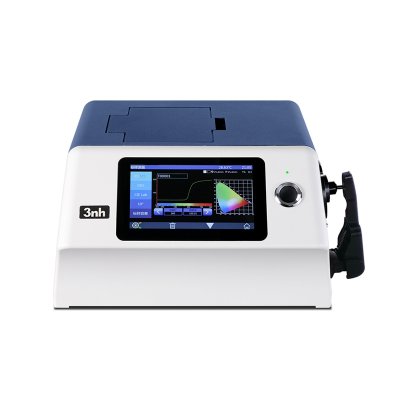
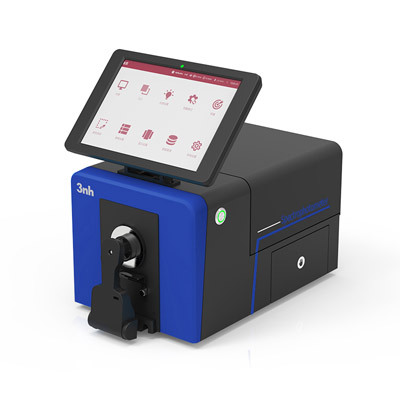
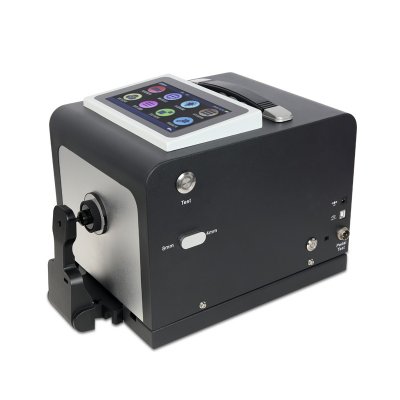
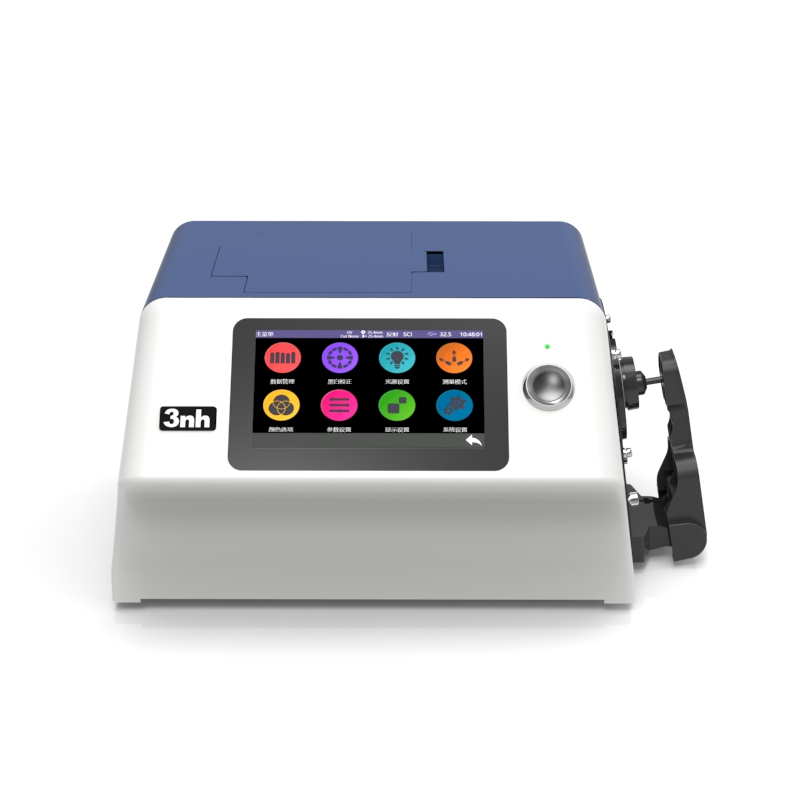
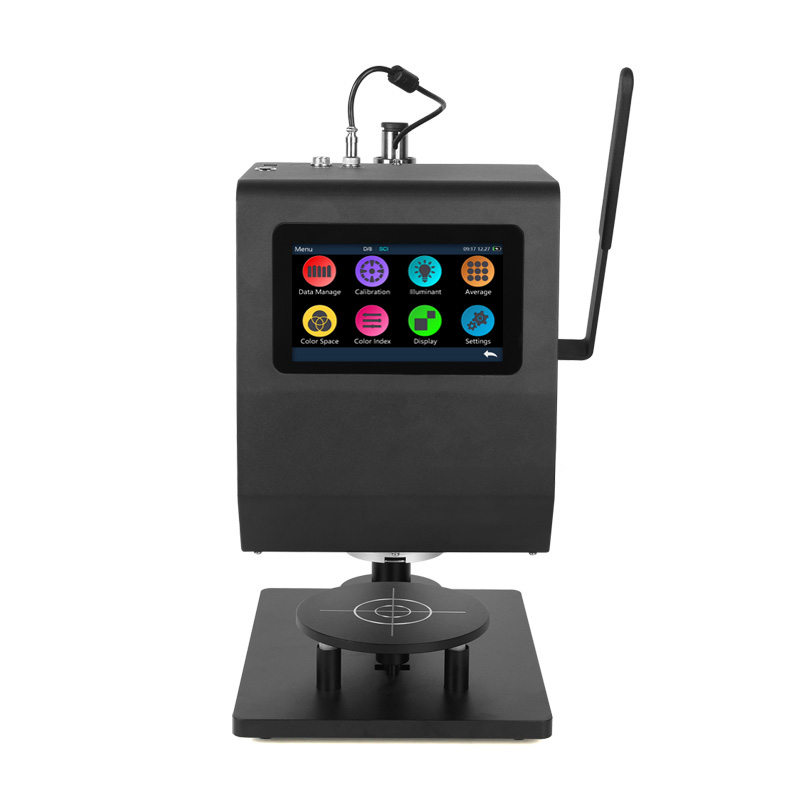
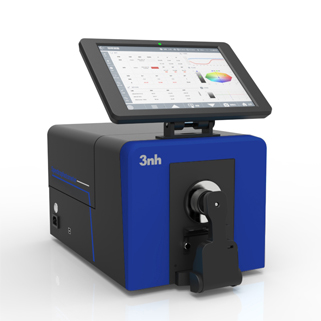
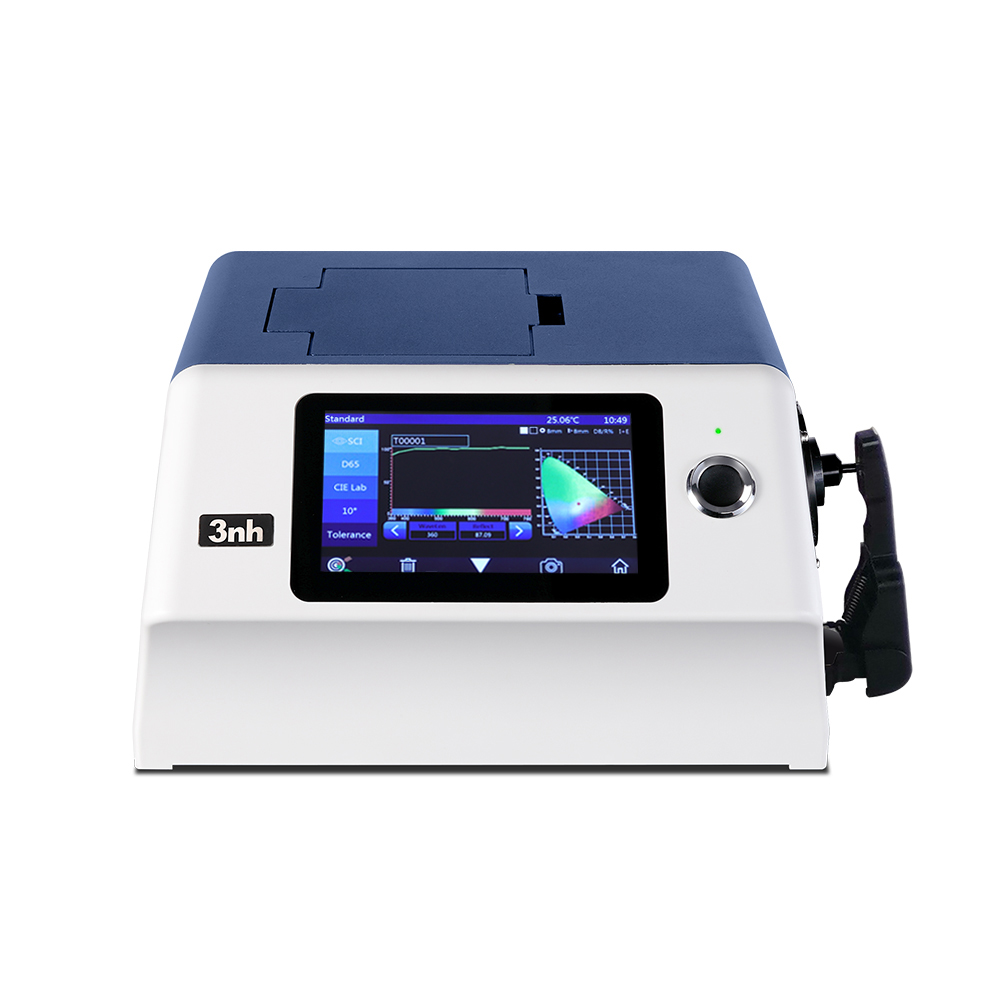
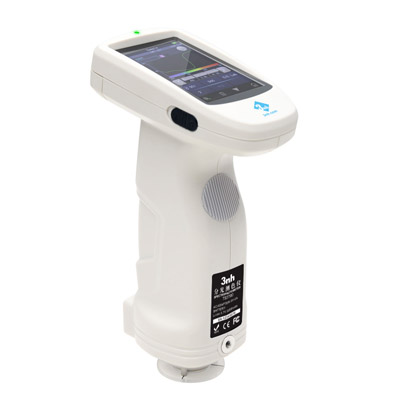
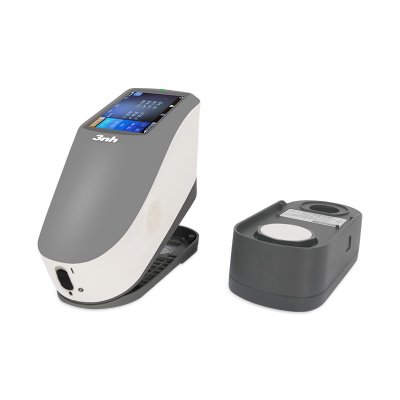
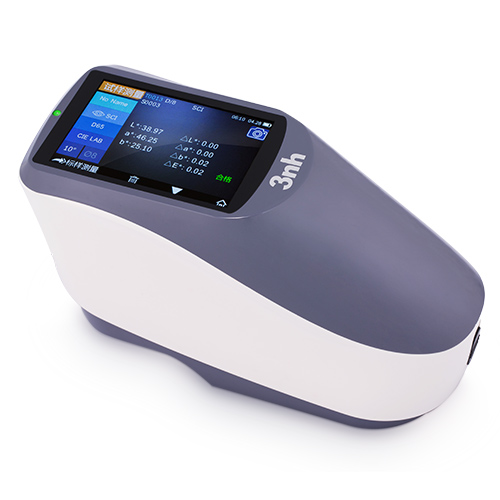
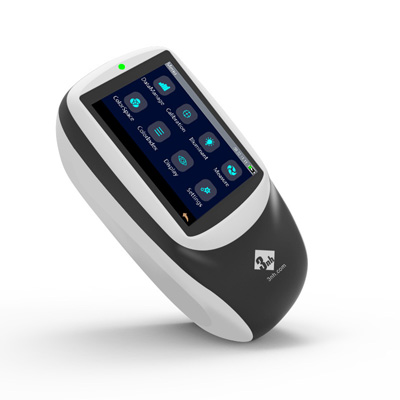
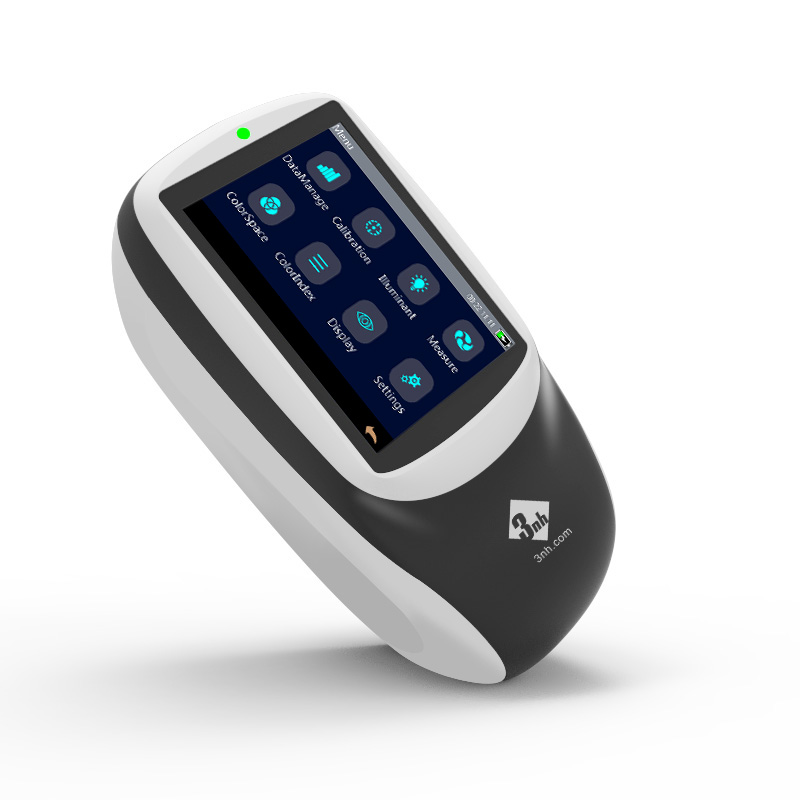
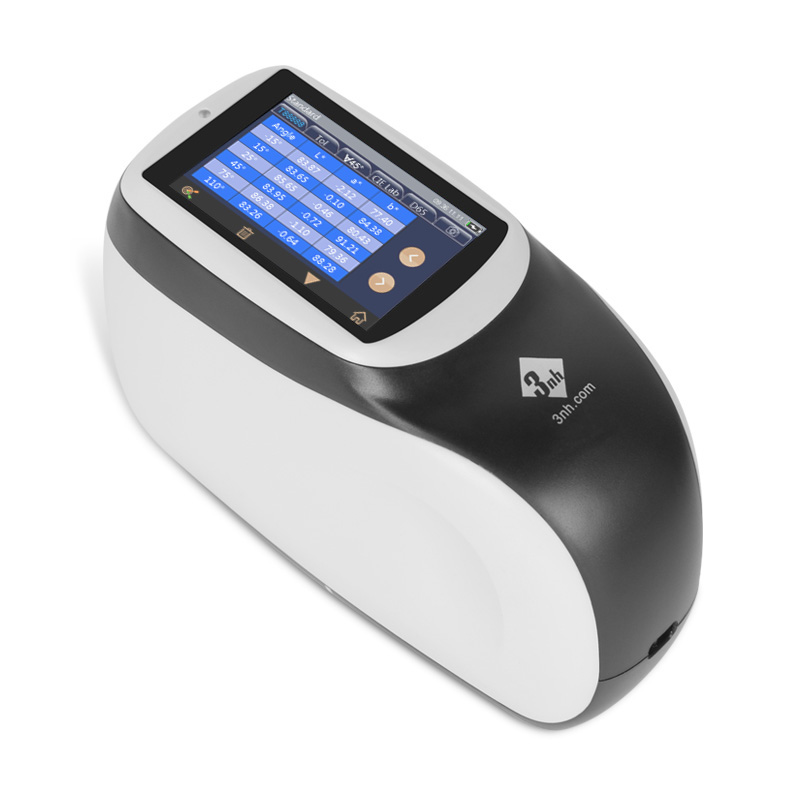
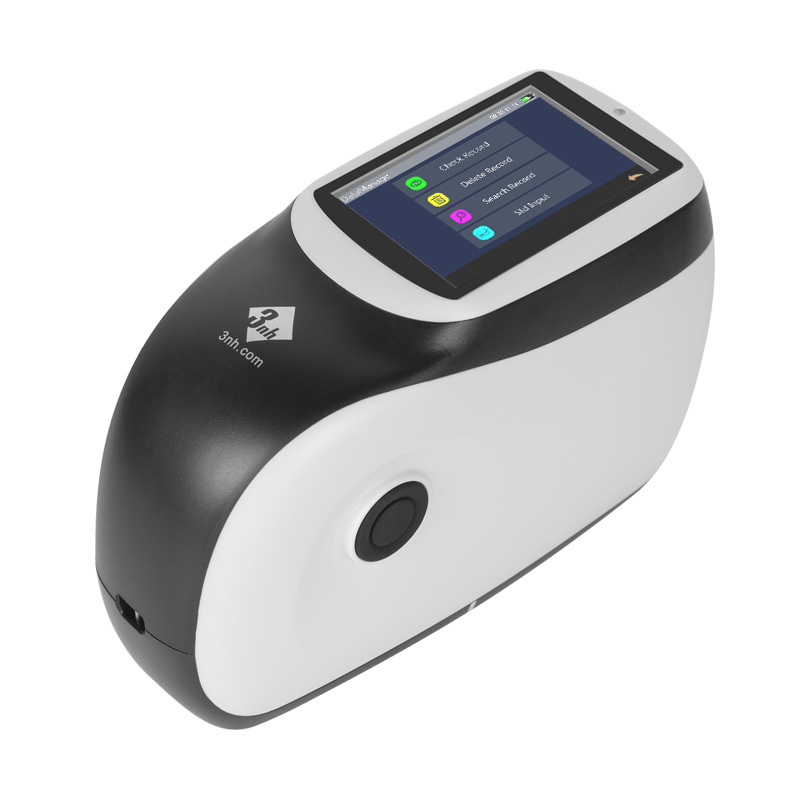
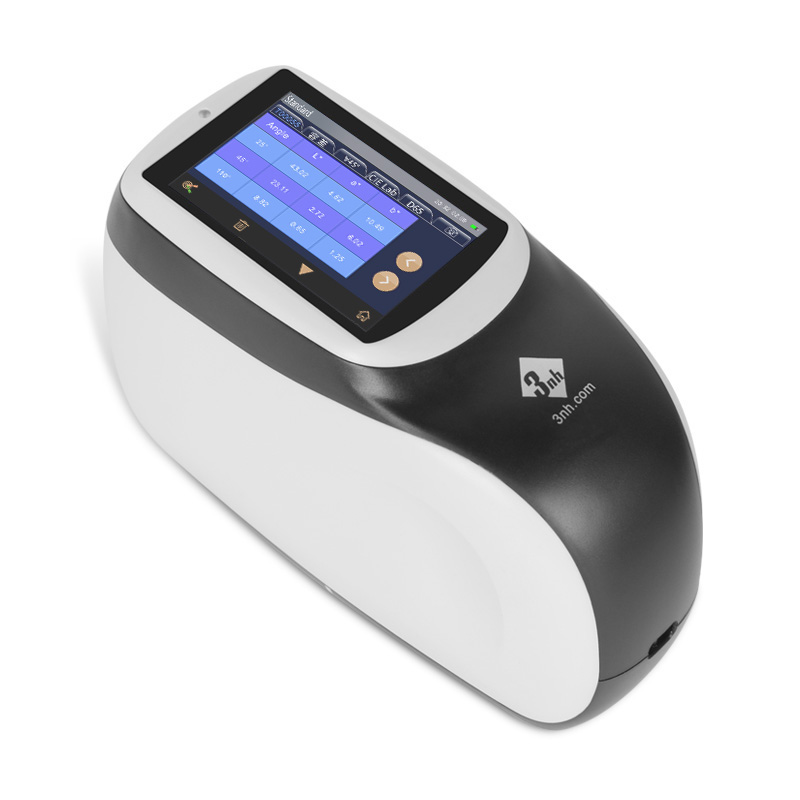
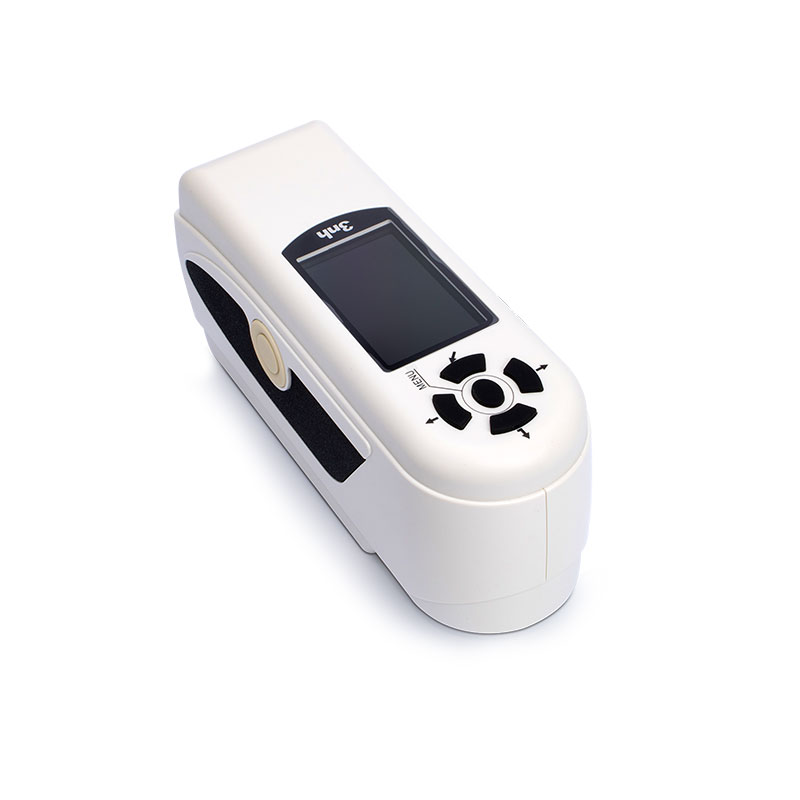
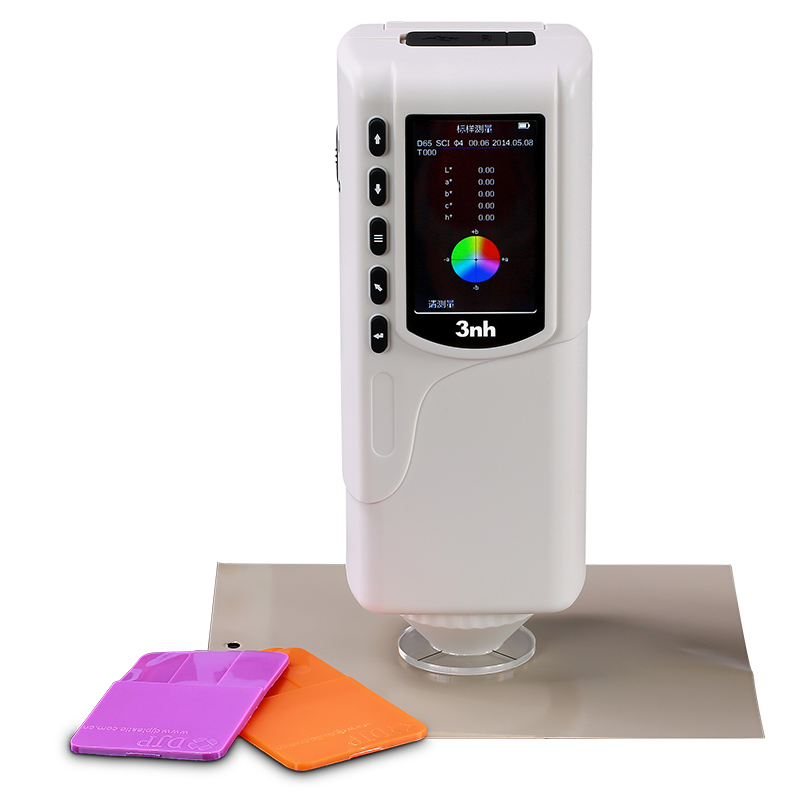
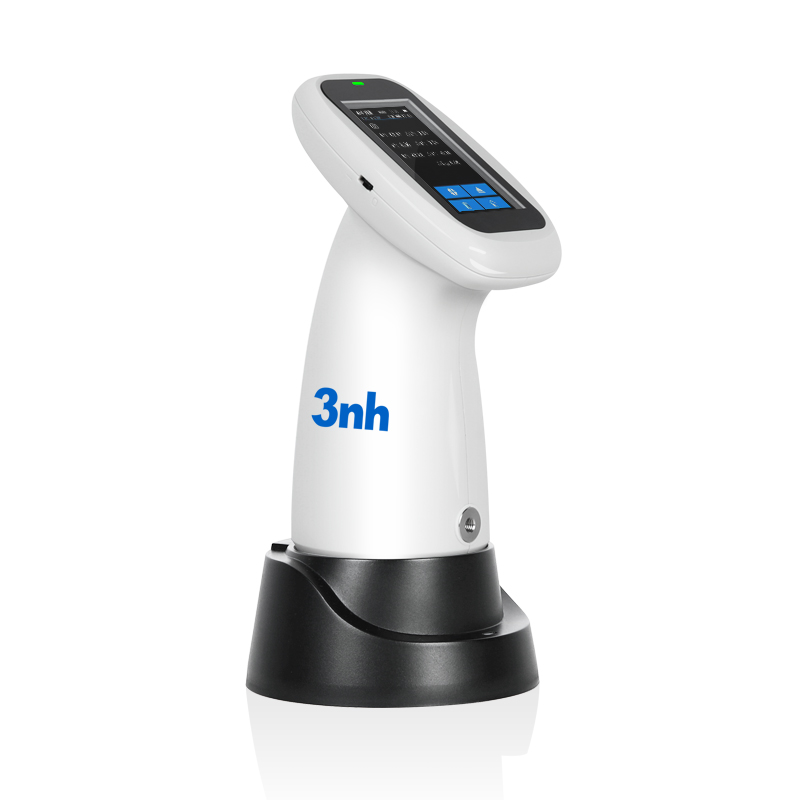
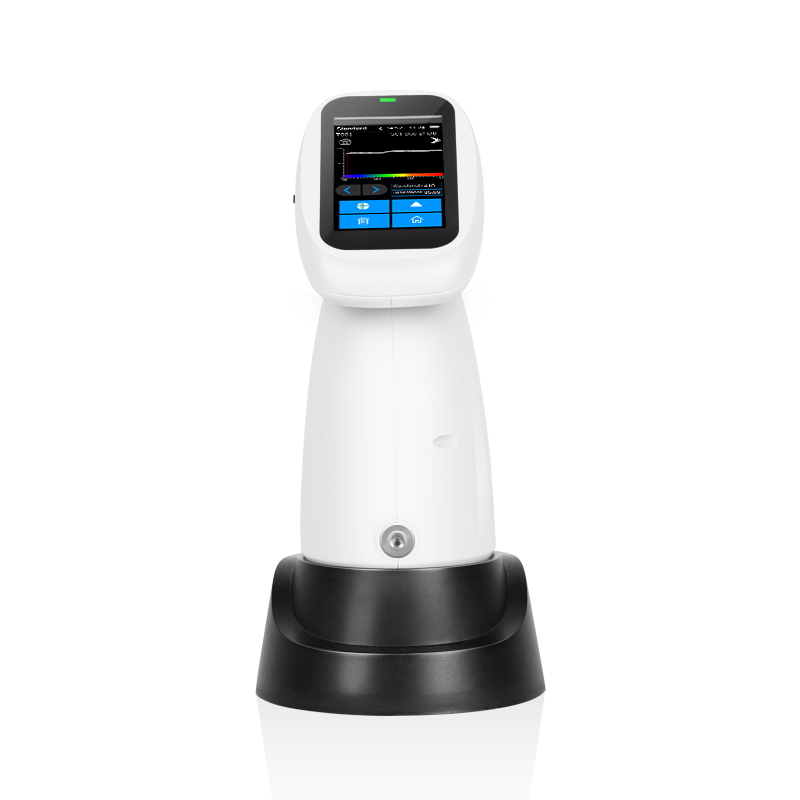
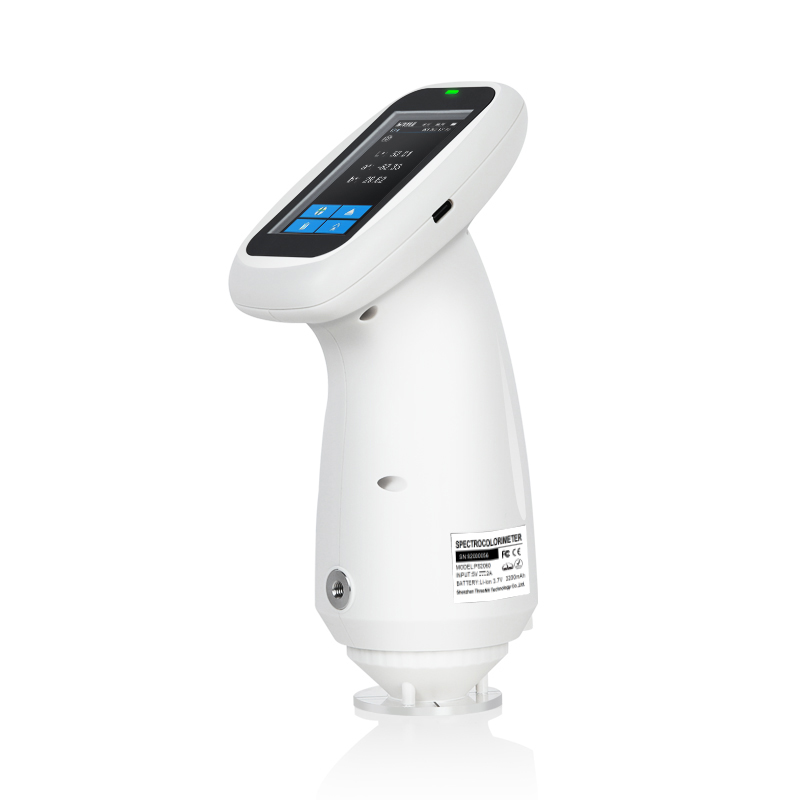
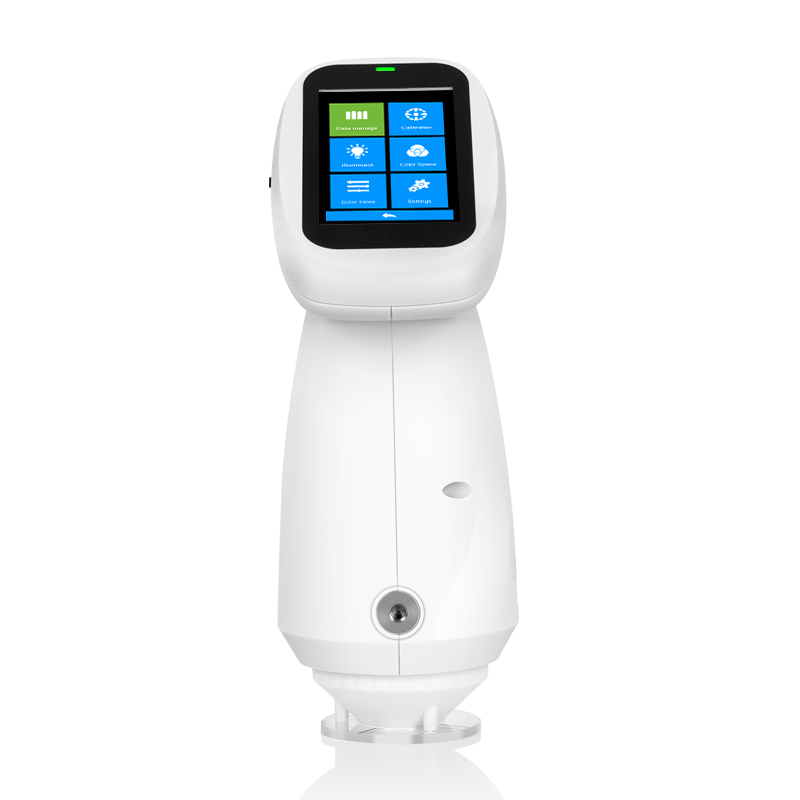
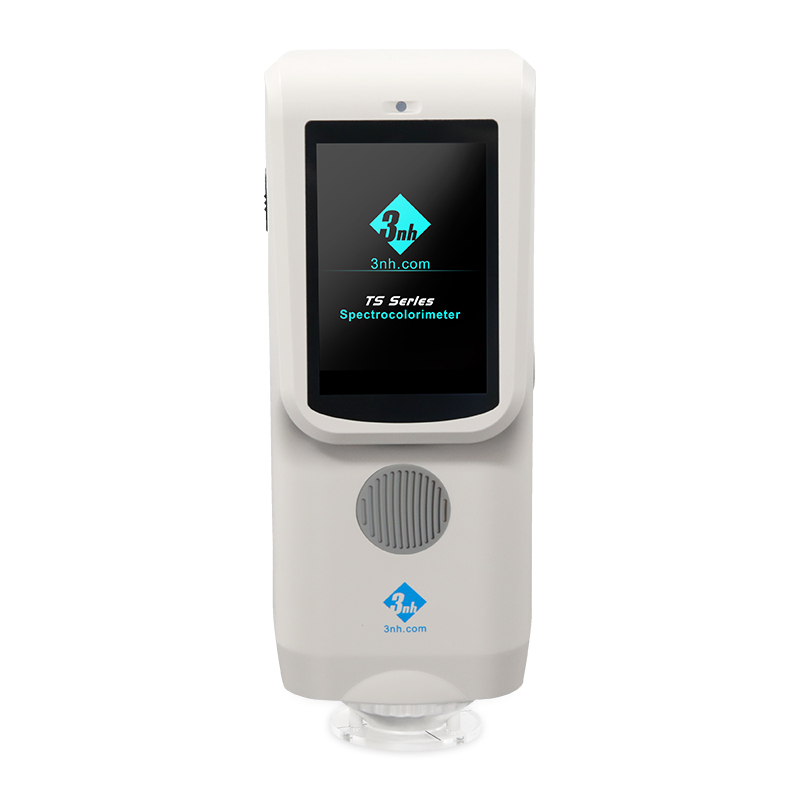
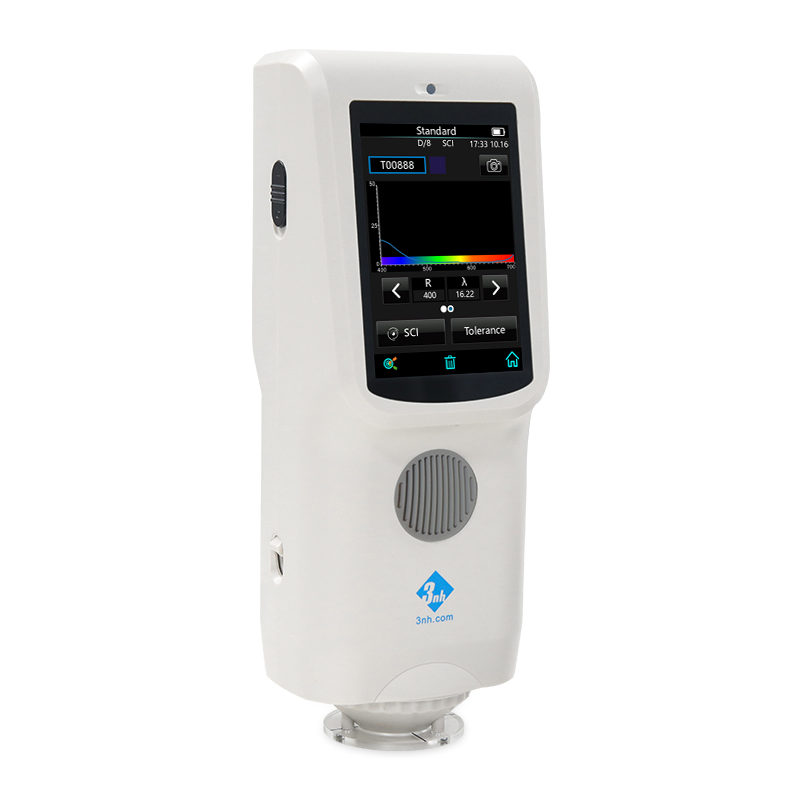
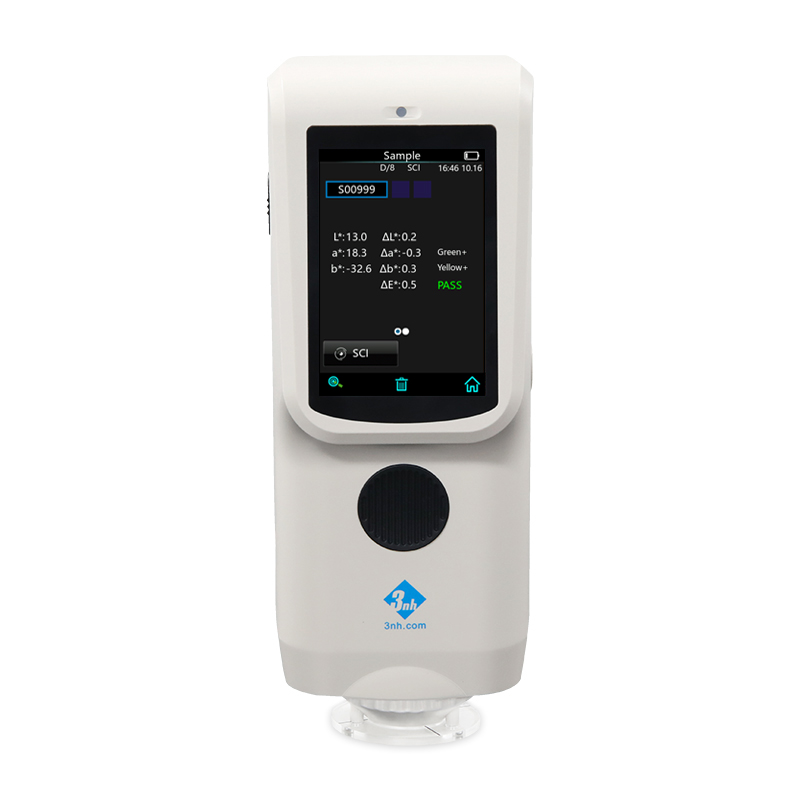
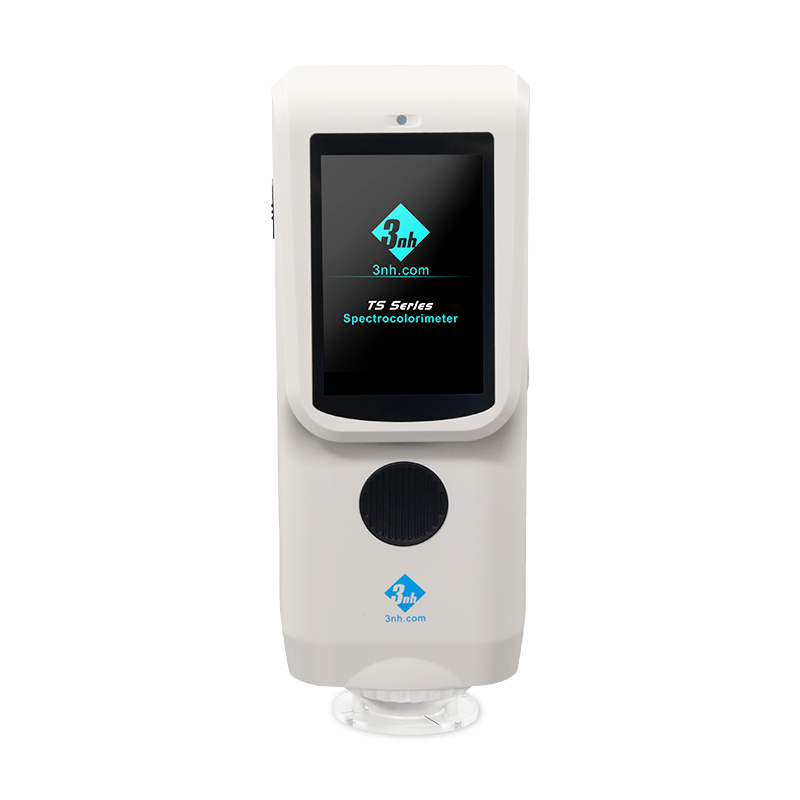
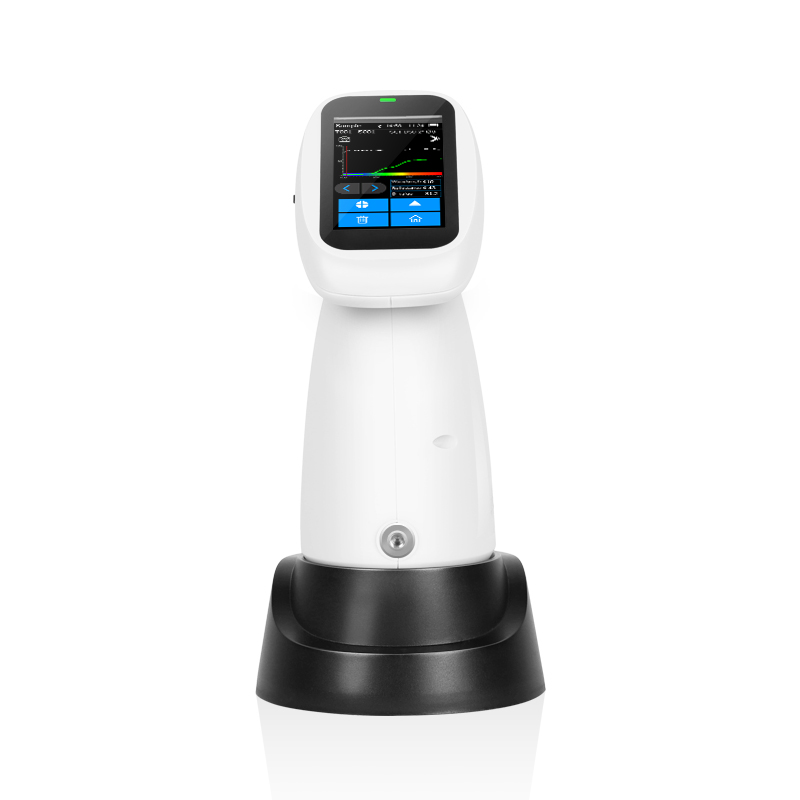
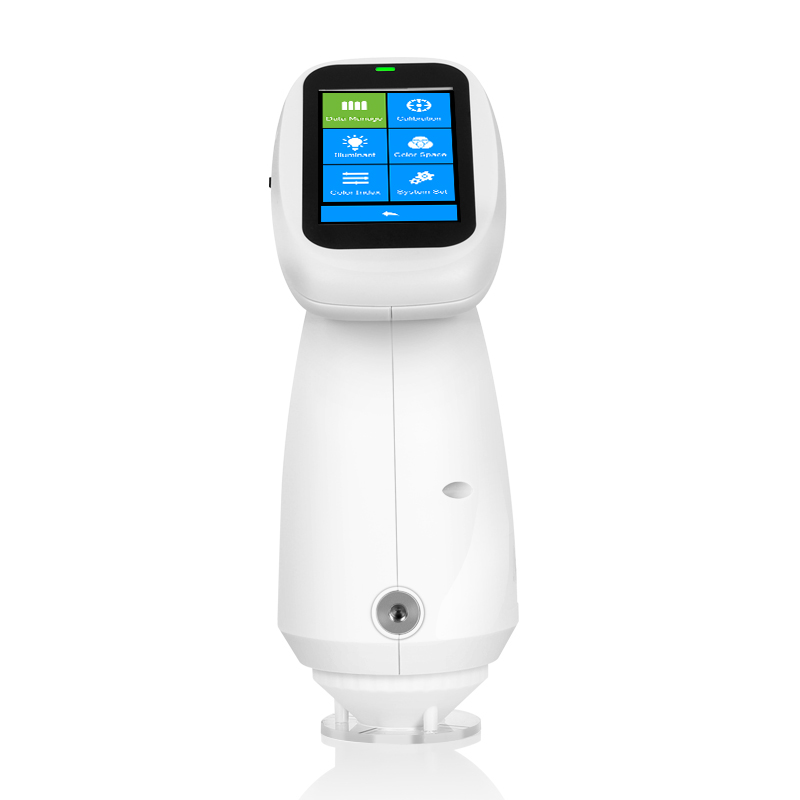
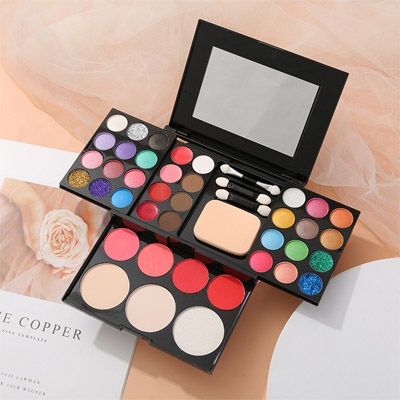
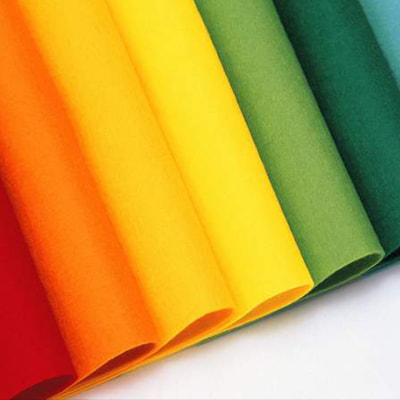
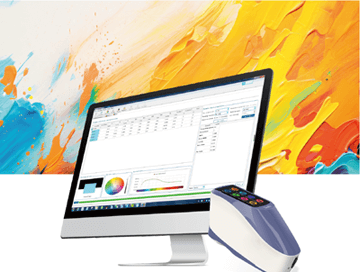
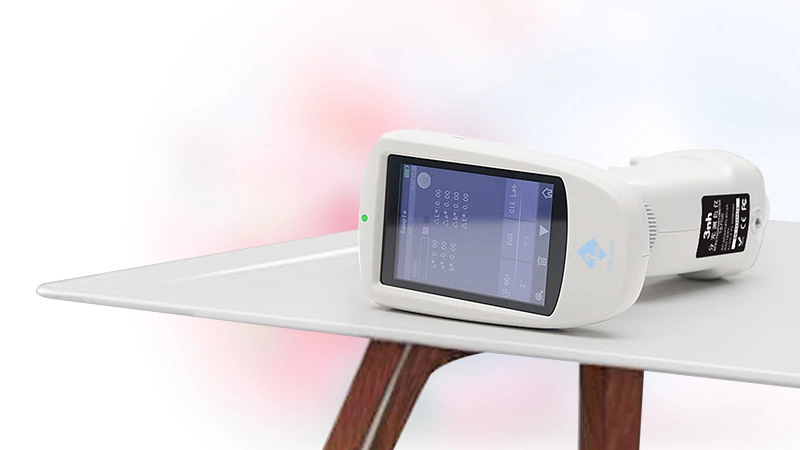
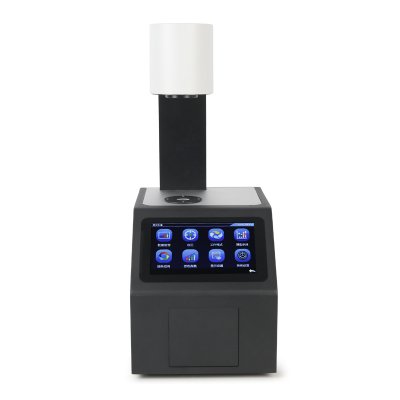
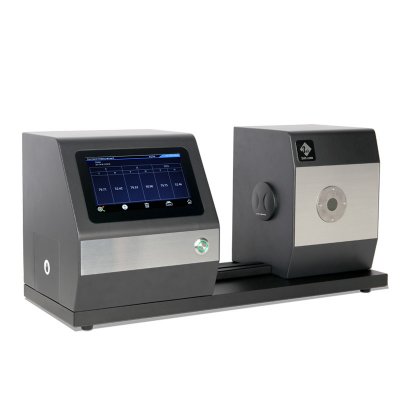
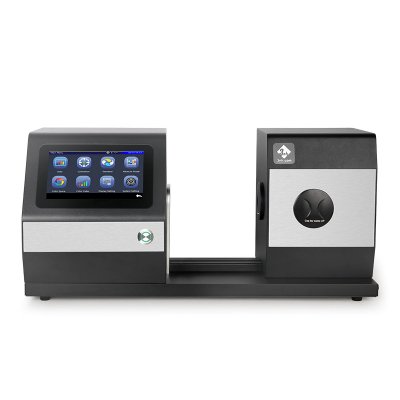
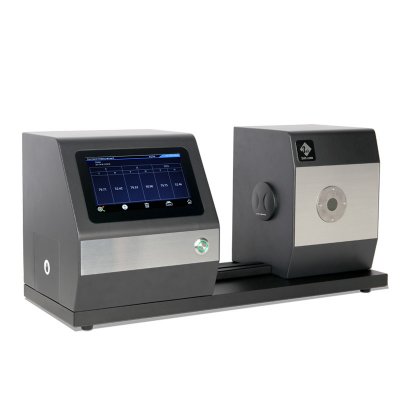
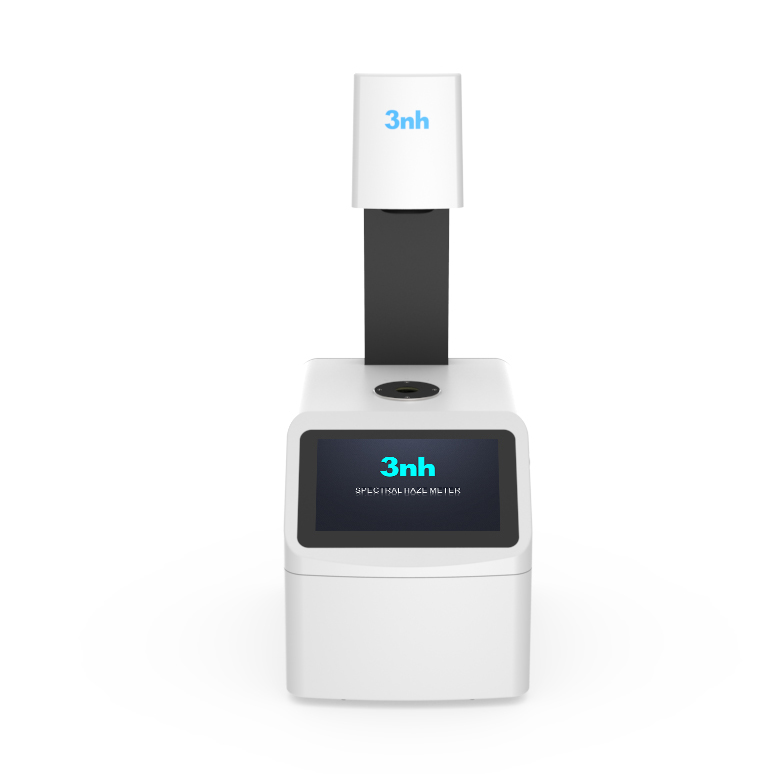
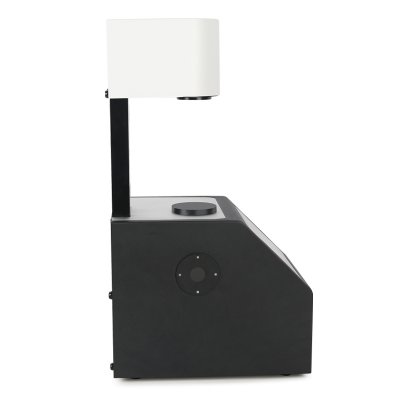
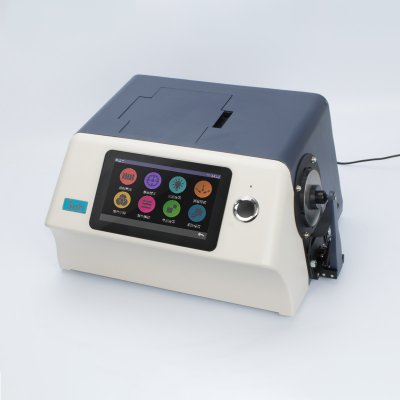
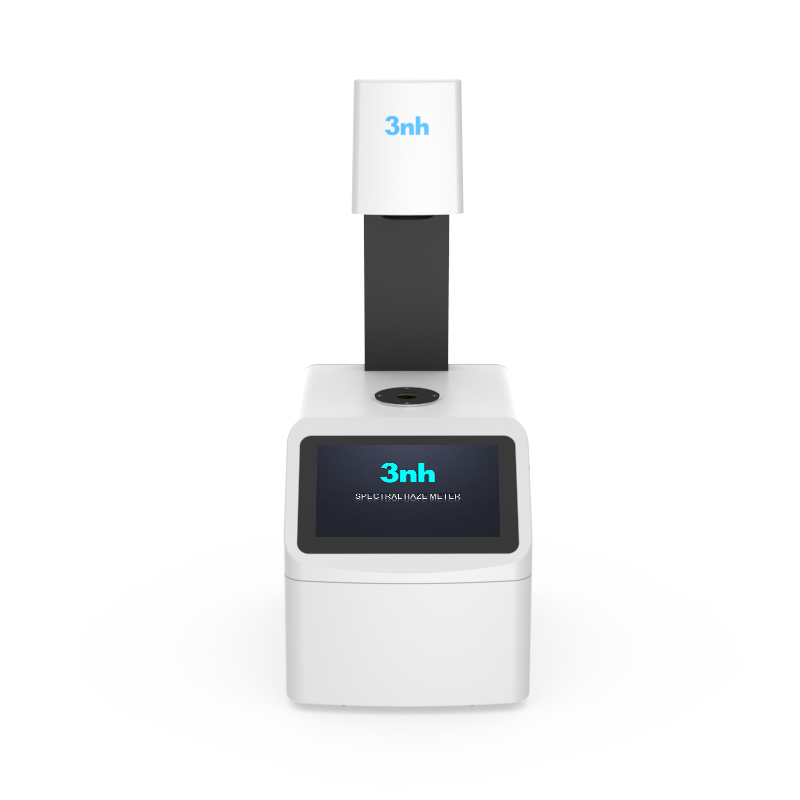
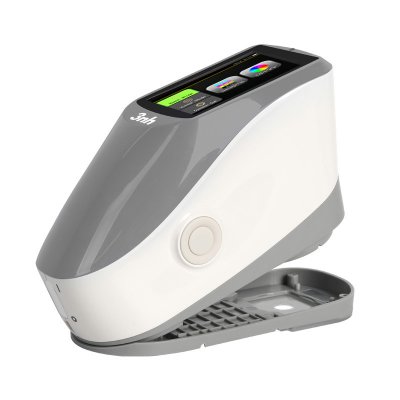
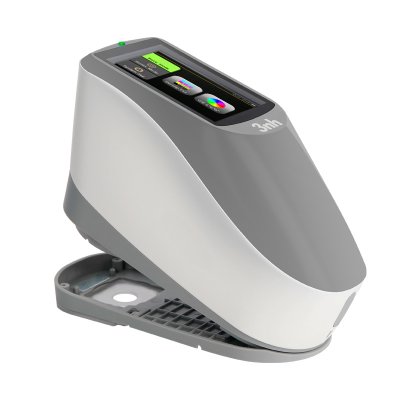
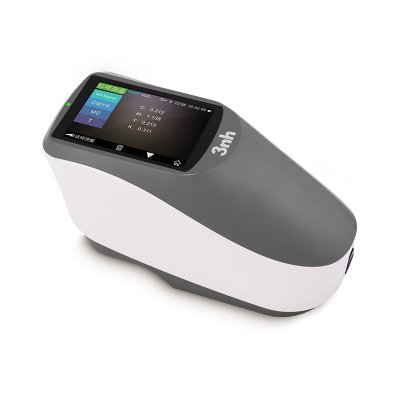
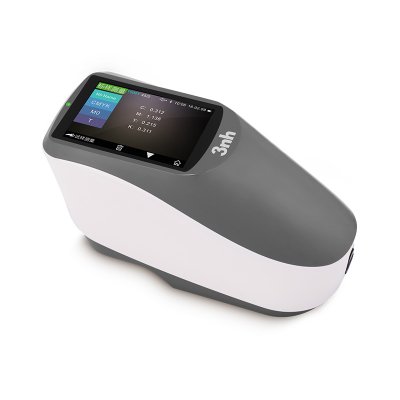
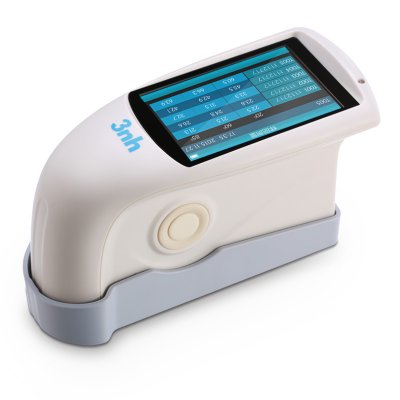
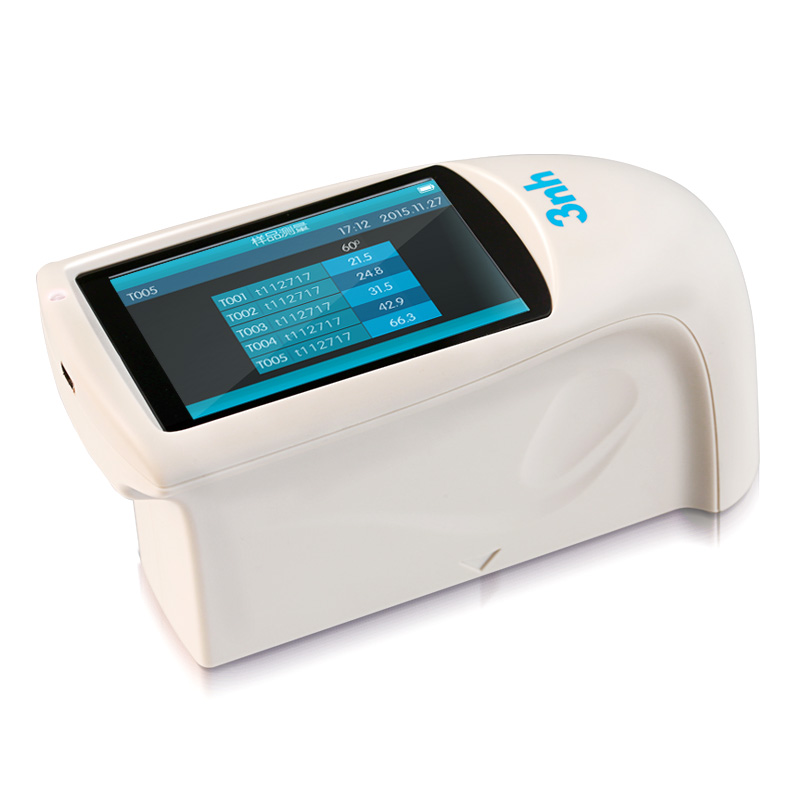
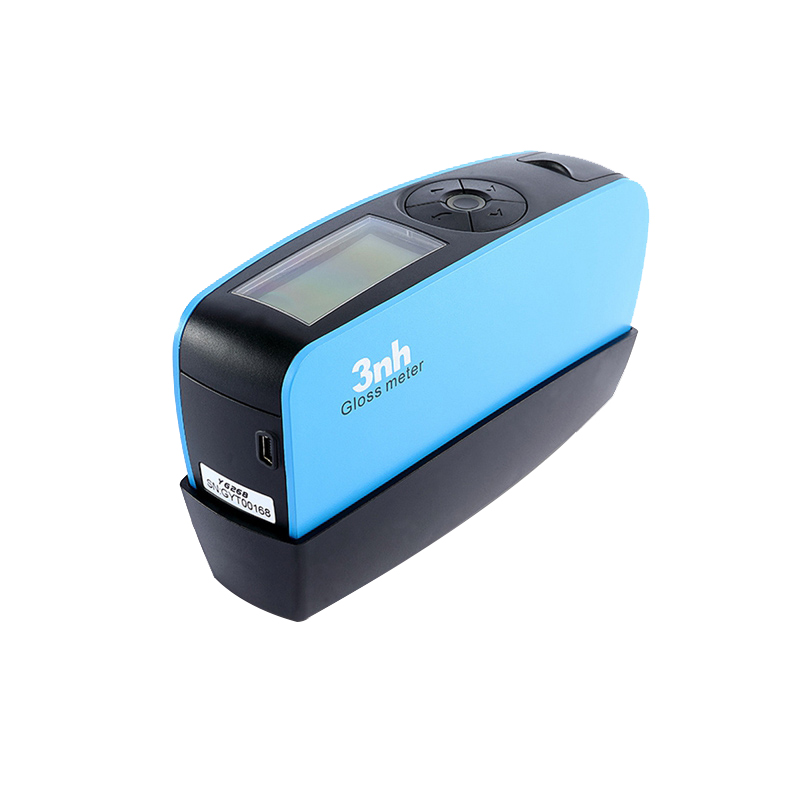
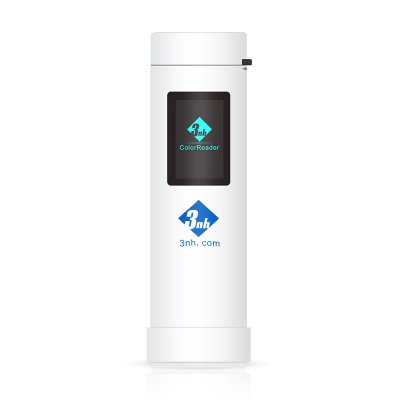
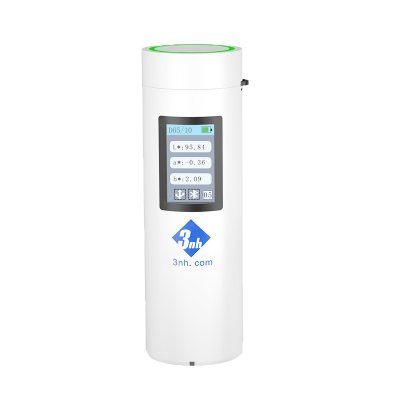
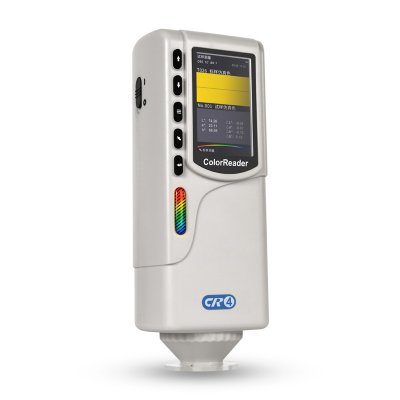
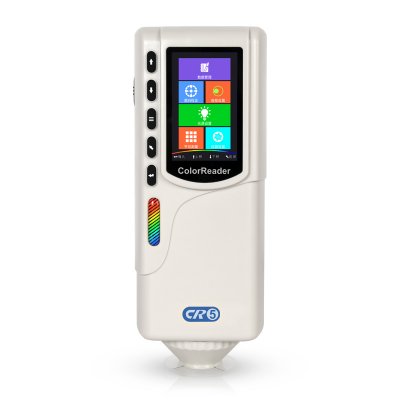
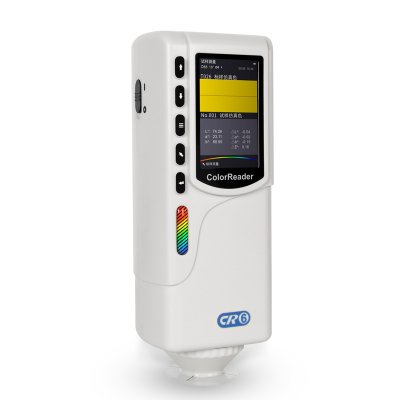
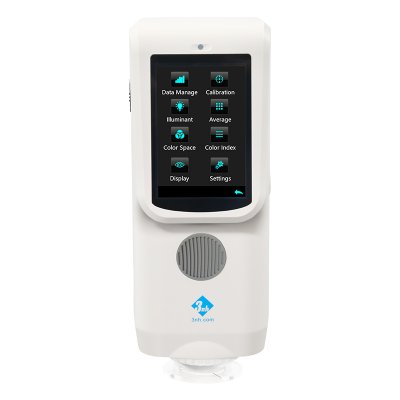
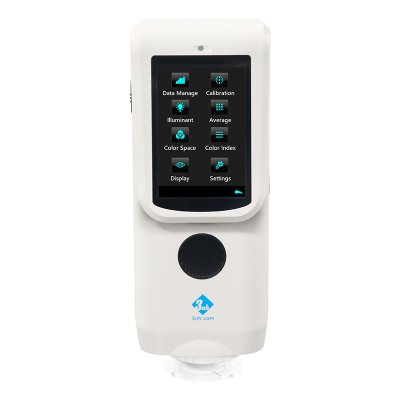
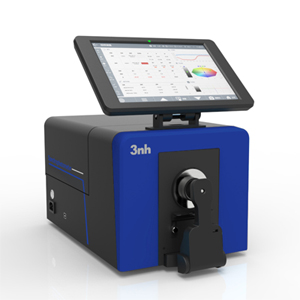
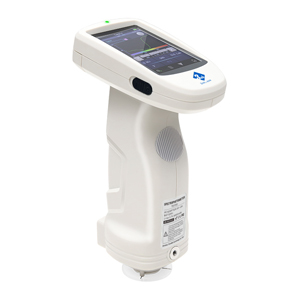
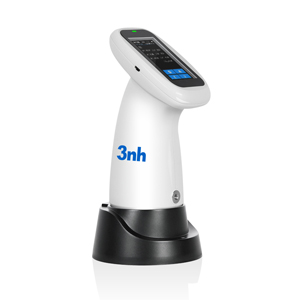
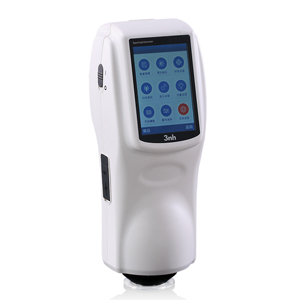
Spectrophotometer captures full spectral data, handles dyed fabric, printed textiles, yarn, woven and knitted materials with complex color and texture.
Supports SCI/SCE, metamerism test, fastness comparison and batch color consistency inspection.
Higher accuracy and better inter-instrument agreement, perfect for factory mass production and customer color approval.
Basic colorimeters only show simple color difference data, easily affected by fabric texture, rough surface and lighting, with poor stability for textiles.
TS7700 / TS8560: High-precision, ideal for textile lab QC, color matching and raw material incoming inspection.
NR60CP / NS800: Cost-effective option for daily production line routine color checking.
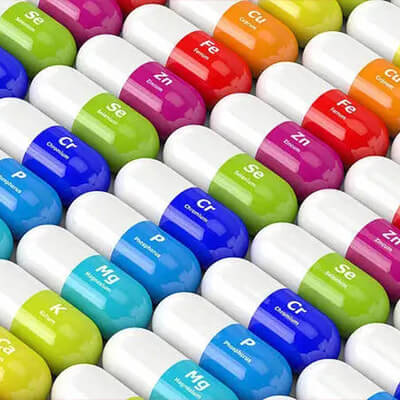
For pharmaceutical tablet color accuracy & compliance (USP/EP/ICH/FDA), these 3nh spectrophotometers deliver superior precision:
d/8° integrating sphere, SCI/SCE dual mode
ΔE*ab ≤ 0.01 (repeatability), IIA ≤ 0.1
Small apertures (Φ3mm/Φ8mm) ideal for tablets
Auto positioning, temp/humidity compensation
21 CFR Part 11 software for audit trails
Best for: R&D, formulation, strict QC, coated tablets3nh TS8560
d/8°, dual CMOS sensor
ΔE*ab ≤ 0.018, IIA ≤ 0.24
Multi-aperture, camera view locating
Stable for batch-to-batch tablet consistency
d/8° (SCI/SCE), ΔE*ab ≤ 0.02
Handheld, fast, non-destructive
Best for: line checks, incoming materials, small labs
45/0 geometry, ΔE*ab ≤ 0.04
Rugged, touchscreen, easy QC
Suitable for uniform, uncoated tablets
Top lab accuracy: TS8560
Best value benchtop: TS8503
Portable production: ST70
Economical QC: NS800
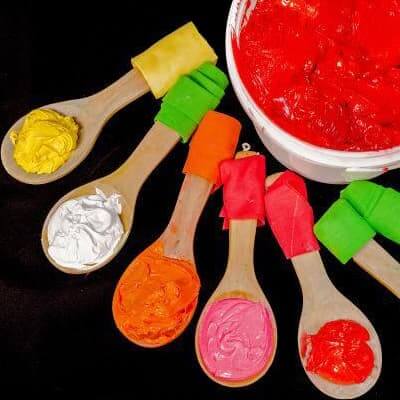
For paint formulation accuracy, the 3NH top spectrophotometers prioritize high spectral resolution, excellent repeatability, superior inter-instrument agreement (IIA), d/8° integrating sphere design, and compatibility with advanced formulation software. Below are the leading models
High precision with d/8° integrating sphere, excellent repeatability and inter-instrument agreement. Ideal for laboratory color analysis, accurate paint formulation and strict quality control. Perfect for opaque and translucent paints. Pairs seamlessly with Pecolor software for precise recipe calculation.
Best for: High-end industrial coatings, R&D, and demanding formulation labs, High-volume paint labs, global color standardization
Compact and easy to operate, supports SCI/SCE measurement. Perfect for on-site color matching, production line inspection and daily paint tinting control. Seamlessly connects to PeColor for on-the-go formulation, rugged, easy-to-use, designed for high-throughput retail environments.
Best for: Retail paint stores, fast, accurate counter matching, On-site tinting, production line checks
Professional for metallic, pearlescent and special-effect paints. Captures angular color variation to meet high-end automotive and coating formulation requirements. Captures complex light behavior for perfect effect-paint matches.
Best for: Automotive, specialty coatings
All these instruments deliver superior performance by measuring precise spectral data, which is the foundation for accurate, repeatable, and cost-saving paint formulation.
A visual colorimeter is a type of colorimeter that uses the human eye to compare the color depth of a sample with that of a standard solution for semi-quantitative or quantitative analysis of substances. This method is commonly used for quick, rough evaluations in industries such as petroleum, transparent liquids, varnishes, chemicals and printing, as well as for visual color grading in quality control. Its working principle is to compare the sample with a standard and provide visual color measurement results, rather than relying on electronic sensors.
Visual colorimeters rely on human eye observation, whereas photoelectric colorimeters use sensors to deliver higher precision, complete the measurement automatically through electronic circuits, less subjective color measurement and faster results. They are generally more suitable for rapid, on-line or portable color difference measurement.
Working principle of a photoelectric colorimeter
A light source emits light at specific wavelengths, which interacts with the object surface through reflection and transmission. The light is reflected or absorbed by the sample, and the reflected light or remaining transmitted light is received by a photoelectric sensor (photocell or photodiode). The instrument converts the light intensity signal into an electrical signal, thereby measuring the LAB color values of the sample.
3nh Photoelectric Colorimeter – A Trusted Brand in the Color Measurement Industry
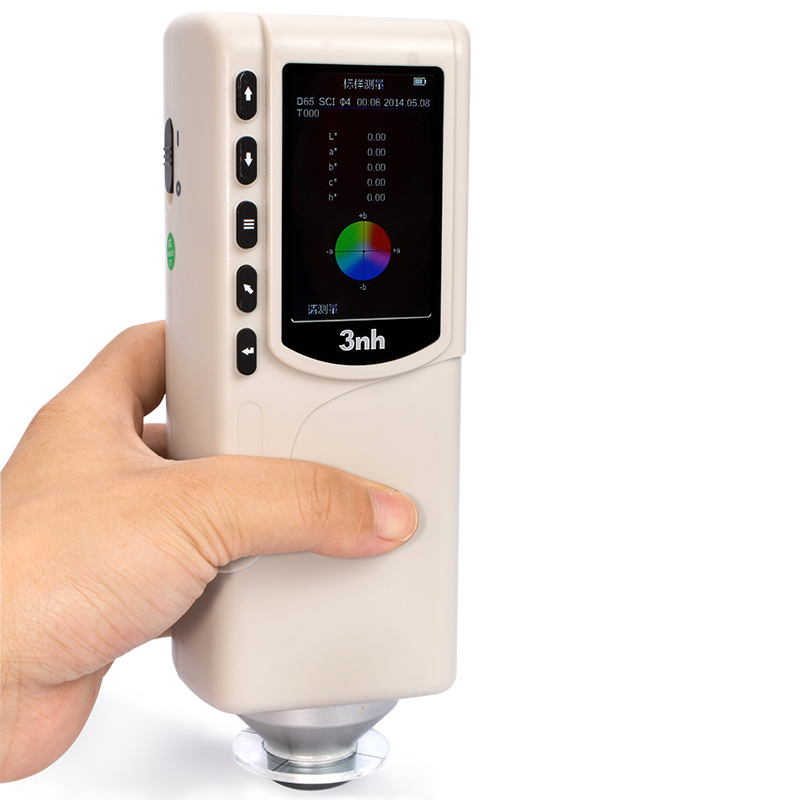
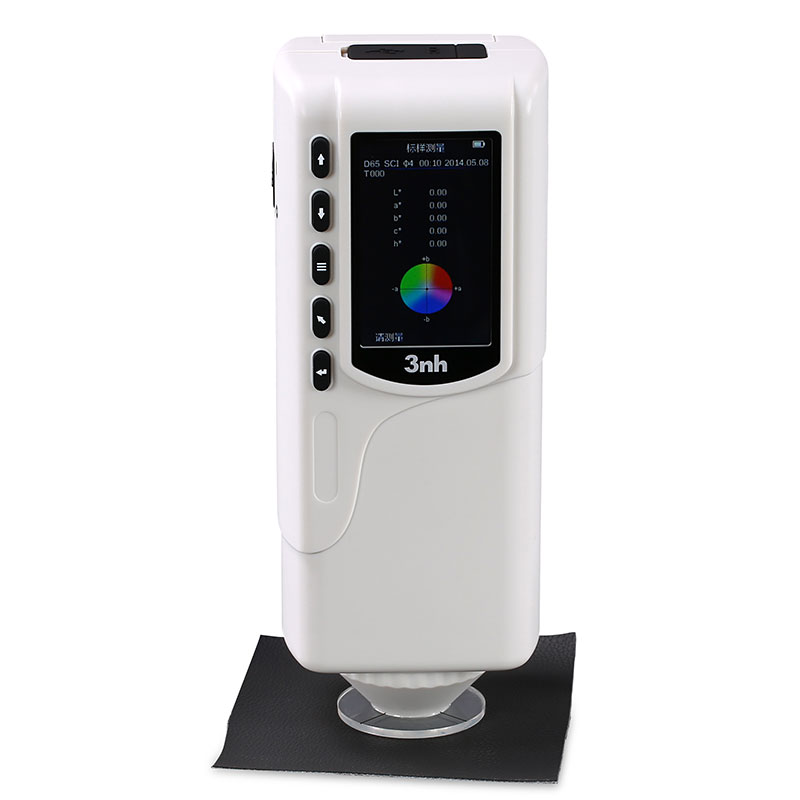
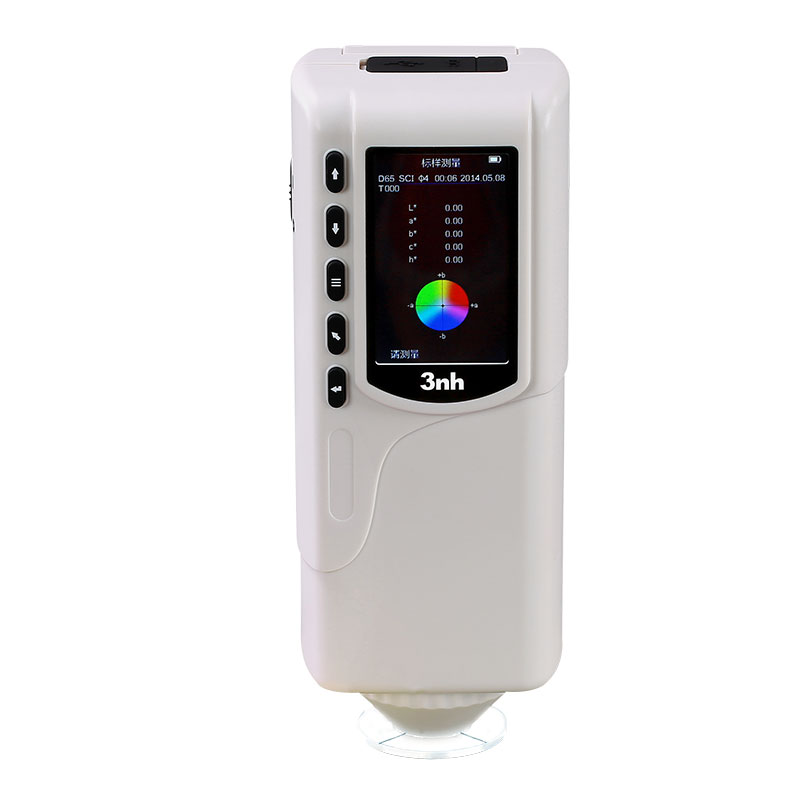
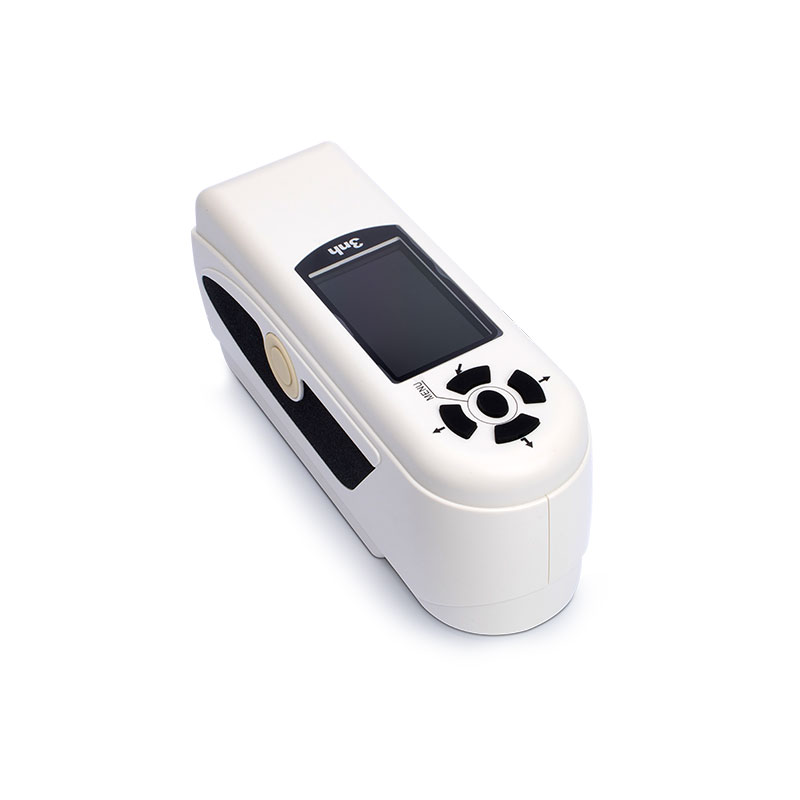
Featuring ultra-high precision, user-friendly interface, light positioning function, high-capacity lithium-ion battery, and multiple optional measurement angles.
The core function of a portable multi-parameter colorimeter is to measure various color parameters, including color difference and chromaticity, and it is mainly used in scenarios requiring precise color management.
3nh portable colorimeters are designed specifically for the above needs, combining portability and high-precision color measurement, making them especially suitable for on-site rapid testing.
Our portable colorimeter products effectively improve color quality control efficiency and help users optimize workflows.
For more product information or to apply for a trial, you can contact our color engineers by email at service@3nh.com.
With over 20 years of experience in color management, 3nh helps optimize your enterprise’s color management workflow, 3nh’s color measurement instruments include colorimeters, benchtop spectrophotometers, color testers, and color matching software. Contact our color experts today!
D/8° and 45°/0° are two different illumination methods with distinct optical geometries. The D/8° illumination is suitable for general industries, and delivers better performance in color difference comparison and color measurement especially for high-gloss products. For the packaging and printing industry, the 45°/0° illumination is recommended.
Plastic, paint, ink, ceramic, textile, coating
Samples with metallic luster, pearlescent, glitter, or texture
Situations requiring consistent data with laboratory spectrophotometers
Applications needing SCI (including specular reflection) / SCE (excluding specular reflection) switching
Printing, packaging, paper, ink, matte non-metallic materials
Products focusing on human eye direct visual matching
Standard color matching in printing & packaging industry
With metallic/pearlescent/glitter effect → choose D/8°
Printing, paper, packaging, matte products → choose 45°/0°
Want universal use for multiple materials → choose D/8°
When evaluating the accuracy of a colorimeter, repeatability is a key parameter.
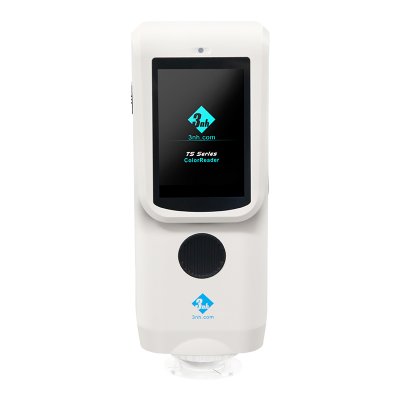
The repeatability standard deviation ΔE*ab of 3nh colorimeters is within 0.03 (measured under the following conditions: after preheating and calibration, measure the white calibration tile 30 times at 3-second intervals and take the average). This figure is superior to all other similar color measurement instruments.
Each of our instruments undergoes rigorous factory inspection and calibration before delivery. In addition, 3nh colorimeters are guaranteed to pass the metrological certification issued by official metrology institutes.
Colorimeters are more affordable, portable, and easier to use, making them a suitable choice for basic color measurement applications, spectrophotometers are better for research, development, and when dealing with complex or highly precise requirements. The biggest difference is in capability and usage. Spectrophotometers are incredibly powerful and can offer more in-depth color measurements than a colorimeter, such as spectral data.
Colorimeters are primarily used for color quality control, while spectrophotometers are used for analysis and formulation.
For professional paint matching (decorative, automotive, industrial, metallic/pearlescent), these are the top-performing spectrophotometers from 3nh — optimized for formulation, batch consistency, metamerism control, and field/shop matching:
d/8° sphere, SCI/SCE, UV control (360–780nm)
ΔE*ab ≤ 0.015, IIA ≤ 0.2 — ultra-precise for R&D
Multi-apertures (Φ4/8/15/25.4mm)
Transmission + reflection modes
Best for: Paint lab formulation, fluorescent pigments, color standardization
d/8° (SCI/SCE), ΔE*ab ≤ 0.02
Large Φ20mm aperture — averages texture/sheen
Fast, handheld, rugged
Best for: Paint store counters, job-site matching, production QC
8-angle measurement (15°/25°/45°/75°/110° + others)Threenh
For flip-flop, sparkle, pearlescent, metallic coatings
High stability for special-effect finishes
Best for: Automotive paint, powder coatings, metallic pigments, High-end industrial coatings, automotive OEM
d/8°, SCI/SCE, UV adjustable
Interchangeable apertures (Φ4/8mm)
Bluetooth + USB
Best for: General paint store matching, routine QC
Lab formulation / R&D: 3nh YS6060
Portable on-site / paint store: 3nh TS7700
Metallic / pearlescent paint: 3nh MS3008
Entry-level portable: 3nh YS3010
For premier glass quality grading (color, transmittance, haze, coating uniformity, architectural/auto/optical glass), the top 3nh & industry-leading instruments are:
d/8° integrating sphere, 360–780nm, UV adjustable
Dual mode: reflectance + transmission
ΔE*ab ≤ 0.015, IIA ≤ 0.2, haze measurement
Multi-apertures (Φ4/8/15/25.4mm)
Ideal: colored glass, coated glass, optical glass, lab R&D
d/8° sphere, SCI/SCE, UV control
ΔE*ab ≤ 0.01 (repeatability)
Large transmission compartment
Best for: high-end architectural glass, Low-E coated glass
d/8° (SCI/SCE), ΔE*ab ≤ 0.02
Handheld, fast, non-destructive
Best for: line checks, incoming glass, on-site grading
45/0 geometry, ΔE*ab ≤ 0.04
Touchscreen, rugged
Best for: solid-color glass, routine QC
Top lab: YS6060
Ultra-precision: TS8560
Portable production: ST70
Economical QC: NS810
For premier ink quality control (CMYK, spot colors, printing density, formulation & press-side QC), these 3nh spectrophotometers / spectrodensitometers stand above the rest:
45/0 ring illumination, ISO 5-4 / ISO 13655 (M0/M1/M2/M3)
Measures density (Status T/E/A/I), dot gain, trap, print contrast
ΔE*ab ≤ 0.03, density ≤ 0.01D
Small apertures (Φ2/4/8mm) for fine print & ink dots
Ideal: packaging, label, gravure, flexo, CMYK/spot color control
d/8° sphere, SCI/SCE, UV control
ΔE*ab ≤ 0.01 (repeatability), IIA ≤ 0.1
Multi-apertures (Φ3/8/15/25mm)
Best for: R&D, ink formulation, batch consistency, fluorescent inks
d/8° (SCI/SCE), ΔE*ab ≤ 0.02
Fast, handheld, large Φ20mm aperture
Best for: press-side checks, warehouse incoming ink, on-site matching
360–780nm, UV adjustable, dual CMOS
Reflection & transmission modes
Multi-aperture (Φ4/8/15/25.4mm)
Best for: high-precision lab R&D, transparent/fluorescent inks
Best press-side / print QC: YD5050
Top lab formulation: TS8560
Best portable production: TS7700
High-end lab R&D: YS6060
For wallpaper color consistency & quality control (including solid-color, printed, textured, and embossed wallpapers), these 3nh spectrophotometers deliver optimal performance:
d/8° integrating sphere, SCI/SCE dual mode
ΔE*ab ≤ 0.01 (repeatability), IIA ≤ 0.1
Multi-apertures (Φ3/8/15/25mm) — ideal for large patterned wallpapers
UV control (for optical brighteners in paper)
Best for: Lab formulation, color standardization, batch-to-batch consistency

d/8° (SCI/SCE), ΔE*ab ≤ 0.02
Handheld, fast, non-destructive
Large aperture (Φ20mm) averages out texture/pattern unevenness
Best for: Production line checks, warehouse incoming inspection, on-site matching

d/8°, interchangeable apertures (Φ4/8mm + 1×3mm)
High stability for rough/embossed surfaces
UV included for fluorescent inks/papers
Best for: Complex printed, textured, or metallic-effect wallpapers

45/0 geometry, ΔE*ab ≤ 0.04
Touchscreen, easy operation
Best for: Uniform solid-color wallpapers, basic production QC

Top lab precision: TS8560
Best portable production: TS7700
Best for textured/patterned: PS2080
Economical routine QC: NS800
Colorimeters is a color measurement device that are used to capture, communicate, and evaluate color. Colorimeters are more affordable, portable, and easier to use, making them a suitable choice for basic color measurement applications, ideal for quick and routine tests.
spectrophotometers offer higher precision and comprehensive data analysis, are better for research, development, and when dealing with complex or highly precise requirements. The biggest difference is in capability and usage. Spectrophotometers are incredibly powerful and can offer more in-depth color measurements than a colorimeter, such as spectral data.
Colorimeters are primarily used for color quality control, while spectrophotometers are used for analysis and formulation. You can choose the appropriate color measurement equipment according to your application needs.
Many people might answer "with the human eye", but this is actually not comprehensive. The human eye cannot accurately distinguish the colors of similar objects. Furthermore, everyone's perception of color varies. Therefore, people have developed color measurement tools based on the CIE color system.
Currently, there are two main types of commonly used colorimeters, as follows:
Colorimeter - It is an ideal choice for quality control (QC) on production lines, used to detect color differences.
Spectrophotometer - It is suitable for the development of color characteristics and color analysis in laboratories.
A colorimeter is sufficient for basic, routine color checks, while a spectrophotometer is needed for precise, comprehensive color analysis—here’s the clear breakdown:
Simple color matching needs: Ideal for checking if a sample matches a predefined standard (e.g., basic paint batches, plastic parts with solid colors).
Consistent lighting conditions: Works well when measurements are done under fixed, standard light sources (no need to account for varied light effects).
Cost-sensitive, high-volume tasks: Perfect for production lines requiring fast, low-cost color checks without advanced data analysis.
Precise color quantification: Necessary for measuring Lab values (lightness, red-green, yellow-blue axes) or detecting subtle color deviations (critical for automotive coatings, high-end textiles).
Complex color analysis: Required for metallic/pearlescent finishes, transparent materials, or samples with gloss/texture variations.
Compliance and documentation: Essential when precise color data (spectral curves) is needed for quality audits, regulatory compliance, or brand color standardization.
The main instruments used to detect color are spectrophotometers and colorimeters (including photoelectric integrating colorimeters).
Spectrophotometer: High-precision option. It analyzes the full visible light spectrum to measure color accurately. Suitable for complex scenarios like textured surfaces, special effect colors, or batch consistency checks in industries such as paint and coatings.
Colorimeter (Photoelectric Integrating Colorimeter): Cost-effective and portable. It uses RGB filters to measure tristimulus values directly. Ideal for quick color difference detection in simple applications. Key Selection Tip Choose based on accuracy needs: use a spectrophotometer for high-precision color measurement, and a colorimeter for fast, basic color difference checks.
The machine used to measure color is primarily called a colorimeter or spectrophotometer.
Spectrophotometer: The most common and precise type. It analyzes light reflected/transmitted by an object across the visible spectrum to quantify color accurately. A spectrophotometer can measure colors on smooth or matte surfaces, as well as textured, glossy, mirror-like surfaces, and special effect colors. It measures the reflected light of a sample at a fixed angle (e.g., 45˚) or captures light reflected at all angles to calculate color measurements that closely match what the human eye perceives. Additionally, similar to how humans flip a sample to view colors from different angles, a spectrophotometer is suitable for measuring a variety of materials and surface characteristics. Widely used in industries like paint, textiles, plastics, Chemicals, Pharmaceuticals, and printing.
Colorimeter: Also called photoelectric integrating colorimeter, a simpler, more cost-effective option. It measures color based on three primary colors (RGB) and is suitable for basic color matching needs. A photoelectric integrating colorimeter is a color measurement device based on the photoelectric integration principle. It directly measures the tristimulus values XYZ of an object's color using three color filters (red, green, blue) and silicon photocells as three sensors. The color measurement principle of this instrument imitates the human eye's mechanism of perceiving the three primary colors (red, green, blue). It corrects the relative spectral sensitivity of the detector through color filters to match the CIE-recommended spectral tristimulus value functions x(λ), y(λ), and z(λ).
Spectrocolorimeter: Combines the functions of spectrophotometers and colorimeters, offering both spectral data and color space values for comprehensive analysis.
When detecting color differences, the first factors to consider when selecting a light source include its stability, directionality, lifespan, and the effectiveness of the ultimately obtained spectral curve. The illuminant of a colorimeter is a fixed bulb, such as a tungsten lamp,LED light or a long-life xenon lamp. However, for the same color sample, the results displayed by the instrument vary under different light sources. This is because different light sources cause different absorption and reflection of light on the sample, leading to differences in how both the human eye and the instrument perceive the color.
In general, the D65 light source is used in the application of coil steel inks for construction. The D65 light source is equivalent to average daylight. Most coil steel inks for construction are used outdoors, and sunlight is regarded as the standard light source in outdoor environments. For household appliance coil steel inks, due to their usage characteristics, they are mostly used indoors. Therefore, the A standard light source is adopted for color measurement of samples based on indoor lighting conditions. The A light source is a carefully specified tungsten light source. Other light sources, such as fluorescent light sources, can be used in many types of applications. For example, some textile factories use fluorescent light sources. Therefore, a reasonable light source should be selected as the mutually recognized measurement method based on actual usage conditions and user requirements. Once agreed upon by both parties, color measurement must be conducted under the same conditions. This helps reduce unnecessary systematic errors and human errors, achieving the optimal consistency in color measurement.
The 3nh high-precision spectrophotometric colorimeter adopts a combined LED light source with long lifespan and low power consumption, which includes UV (ultraviolet) and UV-excluded options. This design can meet the color difference detection needs of different users and supports the selection of multiple light source modes.
Depending on the scale of the manufacturer, its matte, low-sheen finish can be called gloss level 3. Overall, gloss levels in certain standards go between 1 (flat) to 7 (high gloss). Level 3 is considered low-gloss or satin-like.
Gloss levels are usually of five types, namely, matte, eggshell, satin, semi-gloss, and high gloss. These categories are of rising levels of reflectivity of the surface and are utilized to characterize the completion of paints, coatings, and other substances.
Gloss level is not given out in percentage but in gloss units (GU). In practice, however, 100 GU is considered 100 percent reflective. To contrast visually, the 20-40 GU is a low-gloss surface, and 85 or more is almost 100 percent mirror-like reflection.
An 80 gloss surface will reflect less light as compared to a 100 gloss surface. Both are said to be high gloss, although 100 GU (or higher) reflects almost as much as a mirror. The distinction can be slight in graphic terms, but major in specific uses.
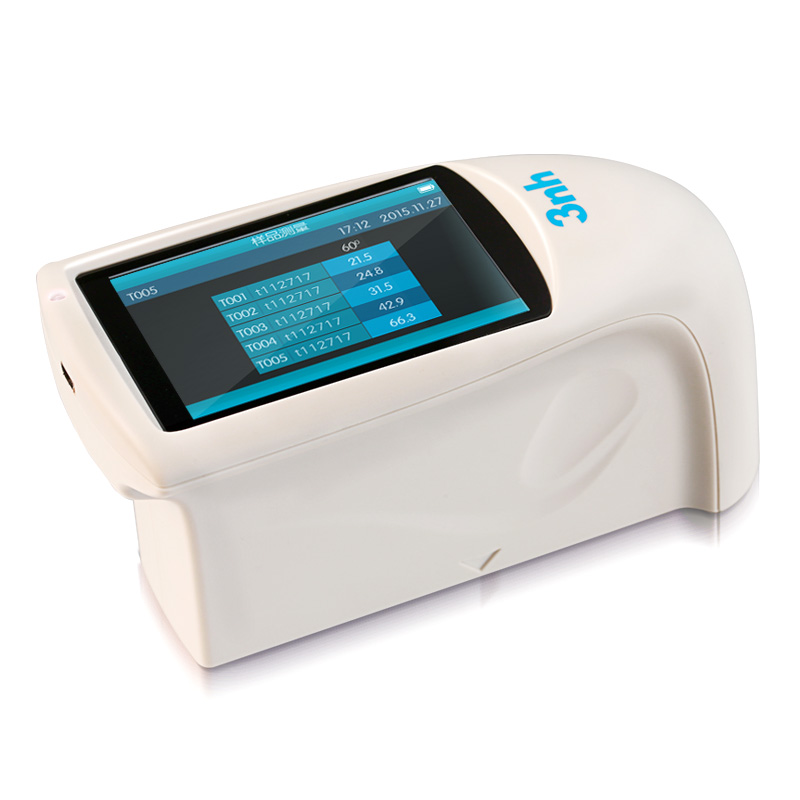
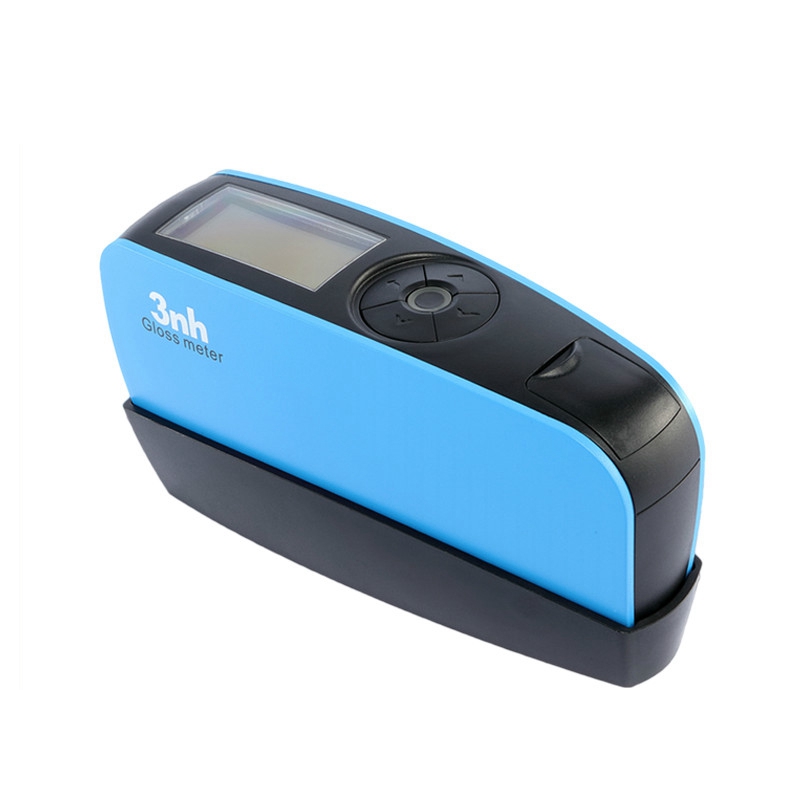
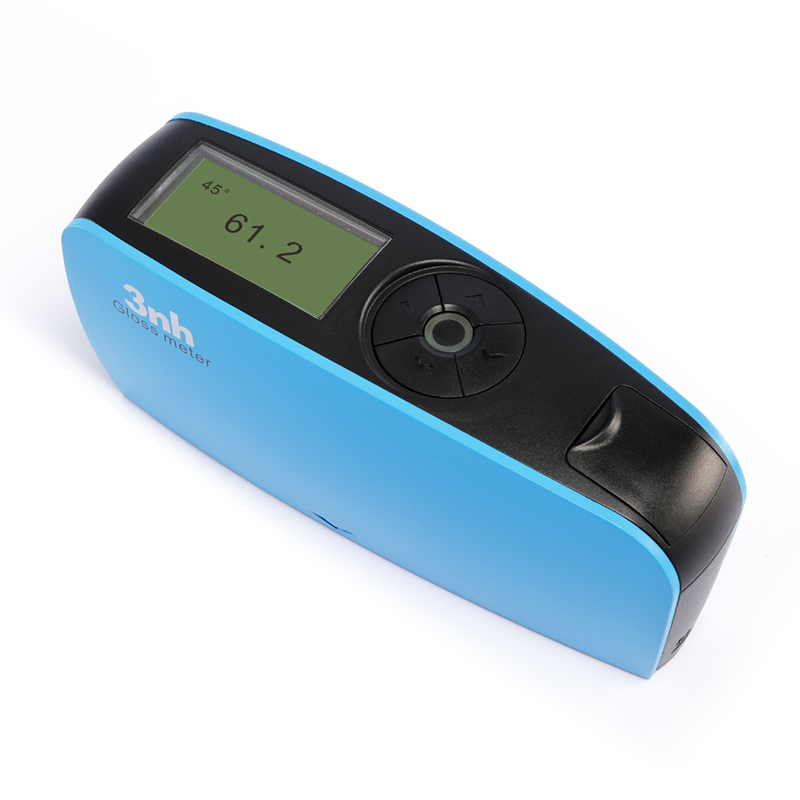
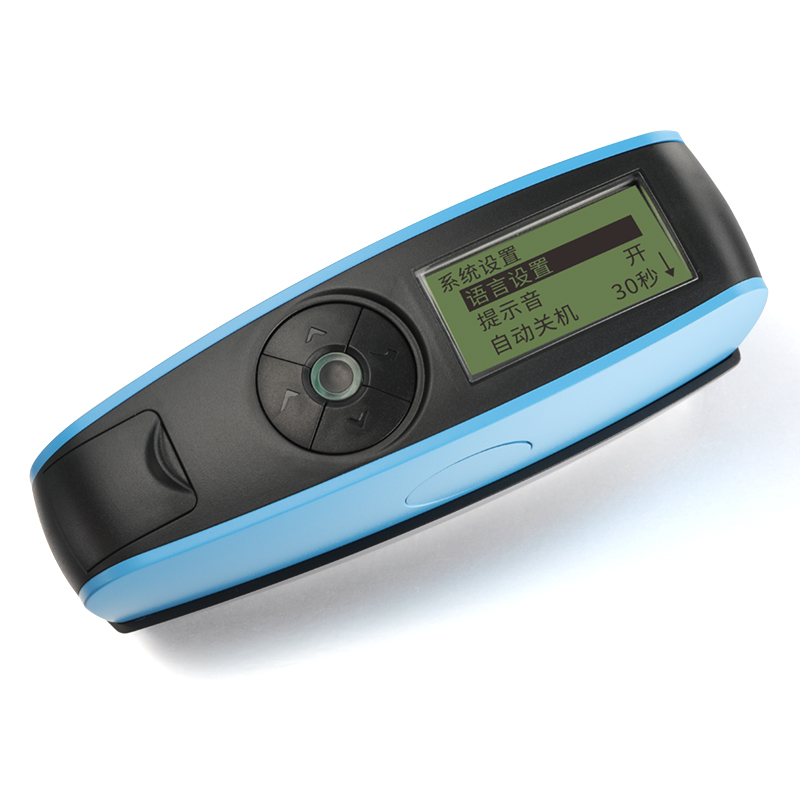
The gloss meter is used to measure the gloss level: it is a device that directs the light at a fixed angle and reads the intensity of the reflected light. The angles, such as 60°, 20°, or 85°, are applied depending on the type of surface and the range of gloss.
Powder paint gloss levels are classified as:
● Flat: 0–10 GU
● Satin: 11–40 GU
● Semi-gloss: 41–70 GU
● Gloss: 71–85 GU
● High Gloss: 86+ GU
These are measured at a 60° angle for standardization.
Gloss is the general reflectivity of a surface, which encompasses a variety of degrees. One particular type of finish is high gloss, which has the maximum shine and reflectance. It increases the richness but emphasizes flaws as compared to satin or matte.
The gloss meter is used to measure gloss at typical angles (typically 20°, 60°, or 85°). The instrument illuminates the material and measures the amount of light reflected and states the outcome in gloss units (GU), which is related to perceived brilliance.
Powder paint gloss levels are commonly classified as:
● Flat/Matte: 0–10 GU
● Satin: 10–40 GU
● Semi-Gloss: 40–70 GU
● Gloss: 70–85 GU
High Gloss: 85+ GU
These ranges can vary by manufacturer and application angle.
Gloss is a broad term to describe the reflectivity of a surface. Whereas high gloss is a specific term that has the highest reflectance (usually more than 70 GU). High gloss finishes are shiny, mirror-like, and exhibit more surface blemishes than lower gloss finishes.
In industrial production and quality control, color consistency is one of the core elements determining product quality. Whether it is the metallic paint for automobile coating, the dyeing effect of textile fabrics, or the ink matching in packaging and printing, subtle color deviations may lead to cost waste or damage to brand image.
The LAB color space defines colors with a three-dimensional model:
Lightness (L): It indicates the lightness or darkness of a color, ranging from 0 (pure black) to 100 (pure white).
Hue and Saturation (a and b):
The a-axis represents the red-green tendency, with positive values leaning towards red and negative values leaning towards green;
The b-axis represents the yellow-blue tendency, with positive values leaning towards yellow and negative values leaning towards blue.
It is a globally recognized standard and supported by most modern color measurement equipment. Color is quantitatively analyzed by measuring Lab values with instruments.
The LAB color space defines colors in a three-dimensional model: Lightness (L), red–green axis (a), and blue–yellow axis (b). It's a globally recognized standard supported by most modern color measuring devices. CIELAB is a standardized, device-independent system designed to map all visible colors that the human eye can perceive.
A colorimeter is sufficient when measuring similar materials or batches with stable conditions. Suitable for fast, low-cost color checks where high precision is not required. Quick quality control in plastics, paint batch consistency, food color grading (e.g., fruit ripeness), and basic printing checks.
A spectrophotometer is recommended when you need professional, maximum color accuracy or when testing materials with variable surfaces – such as glossy or textured samples. Like textile dye formulation, cosmetic shade matching, medical device color calibration, high-end printing (e.g., packaging for luxury goods), and material spectral research. learn more Understanding Spectrophotometric Parameter Measurement
A spectrophotometer measures the full visible color spectrum (typically 400–700 nm). It offers significantly higher precision and enables detailed evaluations – including spectral curves, ΔE values, and color distance measurements. It is the preferred choice for demanding applications in labs or color development environments. learn more..
The core difference between a colorimeter and a spectrophotometer lies in their light measurement methods. A colorimeter measures color values based on the tristimulus method (e.g. LAB or RGB) and compares the sample to a reference. It's ideal for quick, repeatable measurements under consistent conditions – such as in production or incoming goods control.
A Spectrophotometer color measuring device objectively determines the color of a surface. It is used wherever accurate color matching, reproducibility or deviation control is needed – for example in quality assurance, product development or incoming goods inspection.
Capture color information: They detect light reflected, transmitted, or emitted by a sample using optical sensors.
Quantify color data: They convert the captured optical signals into standardized numerical values, such as RGB, CMYK, or CIELAB coordinates.
Compare color consistency: They compare the measured color data of a sample against a target or standard to assess color accuracy and uniformity.
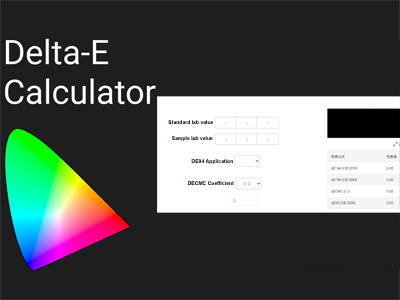
Record the L*a*b values of the sample and the reference with a calibrated spectrophotometer or colorimeter. Compute the difference in the color by use of ΔE. The lower the Delta E, the more accurate the result. The difference in energy, ΔE < 1, is generally assumed to be invisible to the eye.
The accuracy of colors is determined by comparing the values of the colors (L*a*b*) of a sample with a standard reference sample using tools such as spectrophotometers. The variation is measured as ΔE. The smaller the value of ΔE, the more accurate, the nearer to the target color.
To quantify color change, take the original L*a*b* values of a sample, and reread after exposure or processing. Compute the difference as 1/2(Emut1 Emut2). The larger the value of ΔE, the more obvious the change of color is, which can be used in quality or stability testing.
The most important equation is A = 2εcl, where A is the absorbance, 2 is a constant, ε is the molar absorptivity (L/mol cm), c is the concentration (molL-11), and l is the path length (cm). This can be used to relate the absorbance to the concentration, allowing quantification through colorimetric assays.
The principle of colorimetry is the law of Beer-Lambert, which says that the intensity of light absorbed by a colored solution is proportional to the concentration of the absorbing species and the path length. It measures the extent of light that is absorbed at certain wavelengths.
The color measurement test applies a colorimeter or spectrophotometer to evaluate the way a sample reflects or absorbs light. It is given in objective color values (L*a*b*, RGB, or absorbance) and is usually contrasted to a standard in quality control or compliance.
The color measurement theory is the quantification of the interaction of materials with light, either absorption, transmission, or reflection. It employs standard colour spaces (such as CIELAB) and devices (colorimeters, spectrophotometers) to code the visual colour into objective and reproducible data.
Color is a qualitative and quantitative measure. Qualitatively, it can be characterized by the hue, the saturation, and the brightness. It is quantified in terms of color spaces, such as L*a*b* or RGB, in terms of numerical values based on devices such as colorimeters or spectrophotometers.
CIELAB L*a*b* values are the most standardized units in the use of color measurement. These determine values of lightness (L*), red-green (a*), and blue-yellow (b*). The color differences between the two samples can be measured through ΔE.
The color may be quantified in L*a*b* (CIELAB units), RGB values, CMYK (printing), and ΔE (color difference). Colorimetric assessment measures also apply spectral reflectance and absorbance (A), particularly in liquids and solutions.
Color measurement methods involve visual approximation (against color charts), colorimetry (by means of filters and detectors), spectrophotometry (a more detailed spectral analysis), and image analysis by computer. These are color measurement methods that are applied in the laboratory, production, and quality assessment.
The measurement of color varies according to context in several units. Such common units are L*a*b* (CIELAB), RGB (Red-Green-Blue), and color difference (Delta E). In light absorption, there are no units assigned to absorbance. But the quantitative analysis of absorbance obeys Beer's Law in colorimetry.
Techniques of measuring color are visual color comparison, colorimetry (with colorimeters) and spectrophotometry (measuring spectral reflectance), and image analysis. Both techniques measure the reflection or absorption of light by materials and are commonly quantified. Therefore standardized in color spaces such as CIELAB or RGB.
The automotive, aerospace, metal finishing, marine, construction, and manufacturing industries utilize and rely on coating thickness gauges the most. They ensure that coatings are within the expected criteria for functionality, safety, and durability.
Yes. Ultrasonic coating thickness gauges can pinpoint layers within a multi-coat system. Users can examine the separate thicknesses of a primer, base coat, and clear coat. In contrast, magnetic and eddy current gauges usually measure the overall thickness of the coating.
There are many factors that can influence accuracy such as surface roughness, temperature, substrate material, and calibration settings. For ferrous metals, external magnetic fields can also distort measurements. Proper calibration and preparation will help reduce the impact of these factors.
Compared to an analog model, digital gauges not only provide more accuracy, but also allow for greater repeatability and are easier to work with. Advanced digital gauges allow for features such as data storage and automatic calibration and statistical analysis. For these reasons, digital gauges are the preferred choice for professional applications.
Of course! Many portable, battery operated, and lightweight coating thickness gauges are available for on-site and field inspections. They provide quick and accurate results and portable gauges are ideal for construction, automotive, and industrial environments.
You should not attempt measuring on surfaces that are dirty, oily, or rough, as these surfaces will not provide an accurate reading. Always calibrate the paint thickness tester and make sure to select the proper probe for the substrate as well. Proper execution will bring about consistency as well as trustworthiness to the readings.
Consistency in calibration is important to account for imbalances arising from wear and tear of the probe, probe pressure, variation from the environment, and fluctuations in daily usage. This is also necessary to maintain the best quality to various international standards.
Different types of substrates require different kinds of digital gauges. Magnetic gauges are for ferrous metals, eddy current gauges are for non-ferrous metals and ultrasonic gauges are for any non-metal composites like plastics. Careful selection of a gauge is the most important factor for obtaining accurate measurements.
The dry film thickness is assessed after the coating is cured, while the wet film thickness is obtained immediately after the coating is applied using a wet film comb gauge. Dry film measurement is critical to ensuring that the coating applied matches the standards expected in terms adherence and polish.
A coating thickness gauge measures film layers by identifying shifts in magnetic flux, eddy currents, or ultrasonic echoes as they penetrate the coating. The gauge calculates thickness based on the magnitude of these signals. This universally accepted approach results in quick, reliable, and non-invasive measurements.
We have prepared answers to many common questions mentioned above for you to have a better understanding of our instruments before placing an order. If you would like to get FAQs for a specific service, please move to the corresponding service page and find the information you want at the bottom of that page.
Use the form below to reach out to our technical support specialists for questions about Threenh Technology products and services
Discuss your project with one of our product specialists:
0086 755 26508999We respond to quote requests within 1 business day.
service@3nh.comSubmit a demo request for the product you're interested in.
Get a Demo